A summer t-shirt is one of those wardrobe basics that feels almost too simple to think about—until the heat really kicks in.
Most days, I don’t even hesitate. I grab a tee, put it on, and head out the door. But the moment I step outside into heavy summer air, the difference becomes obvious almost immediately. A short walk to the gym, waiting for transport, or standing under direct sunlight is enough for the fabric to start telling its own story.
It’s strange how something so basic can feel completely different depending on the weather.
What I’ve realized over time is that summer dressing isn’t really about owning more clothes. It’s about understanding how the same piece behaves when heat, humidity, and movement all happen at once.
A single t-shirt can feel effortless on one day, and slightly unbearable on another. The difference usually comes down to fabric, fit, and how the day unfolds around you.
Instead of treating tees as background basics, I’ve started choosing them based on real summer conditions—not just how they look in the mirror.
Why Summer Changes Everything About T-Shirts
In cooler months, you barely notice what you’re wearing. In summer, it’s almost the opposite—everything becomes noticeable.
It’s never just the temperature. It’s how quickly your body heats up the moment you start moving.
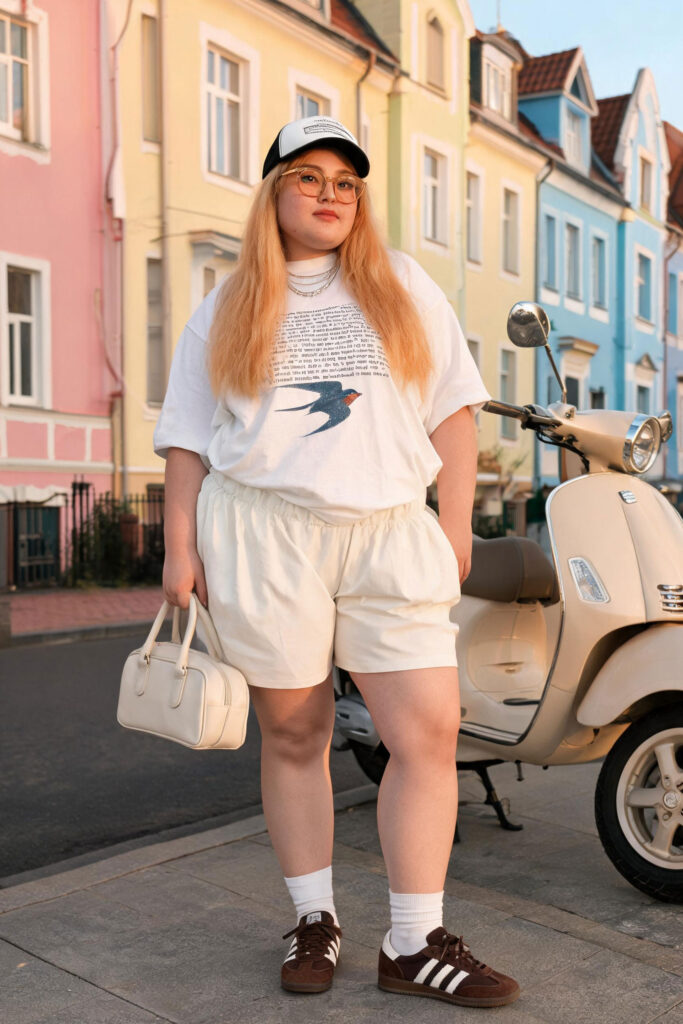
A short walk outside, climbing stairs, or stepping between freezing indoor AC and humid streets can change how clothing feels in minutes.
A thick cotton tee that felt completely fine indoors suddenly starts clinging once you’re outside. It traps heat in a way you don’t really notice until you’re already uncomfortable.
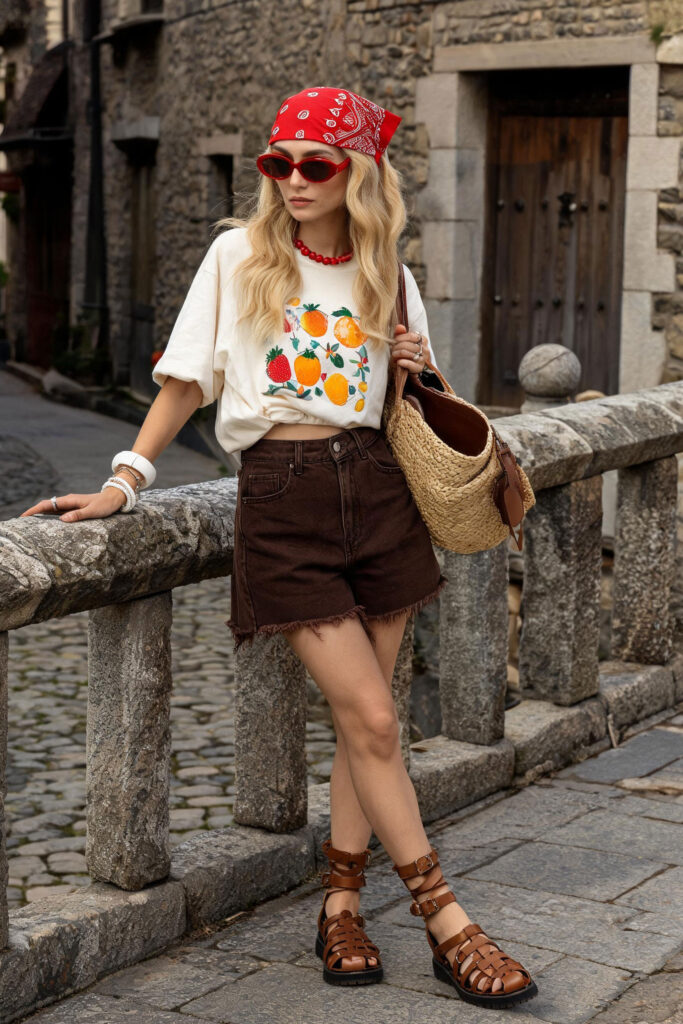
I’ve stopped thinking of tees as “summer vs winter” pieces. Instead, I just notice which ones disappear on my body—and which ones I’m constantly aware of.
That difference has quietly changed how I dress more than anything else.
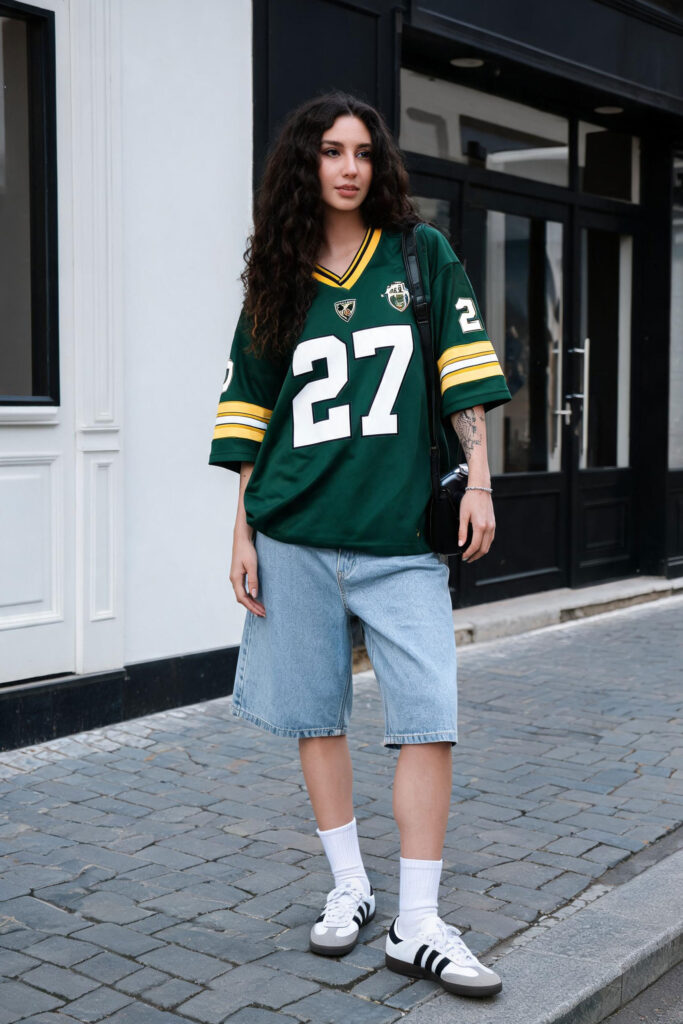
What Makes a Good Summer T-Shirt (Fabric and Fit)
Not every t-shirt behaves well in hot weather, even if it looks similar at first glance.
My most-worn summer pieces always feel light the moment I put them on. There’s no stiffness, no heaviness—just a kind of ease you don’t really think about.
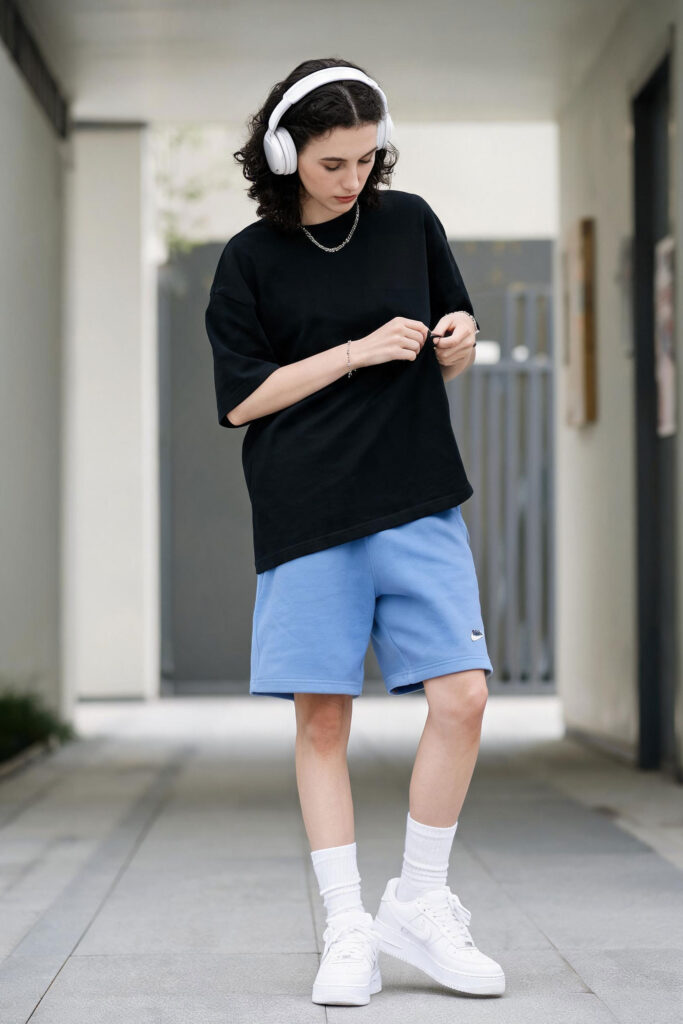
Fabric is usually where everything starts.
Thin cotton with a loose weave stays breathable and soft against the skin. Jersey knit moves naturally with the body, which makes it easy for everyday wear. Linen blends bring a kind of airy dryness that works especially well in humid cities. Performance fabrics are more functional, but they stay surprisingly light during long walks or active days.
I don’t really rank them anymore. I just notice whether the fabric starts sticking once I begin moving.
Fit plays a similar role.
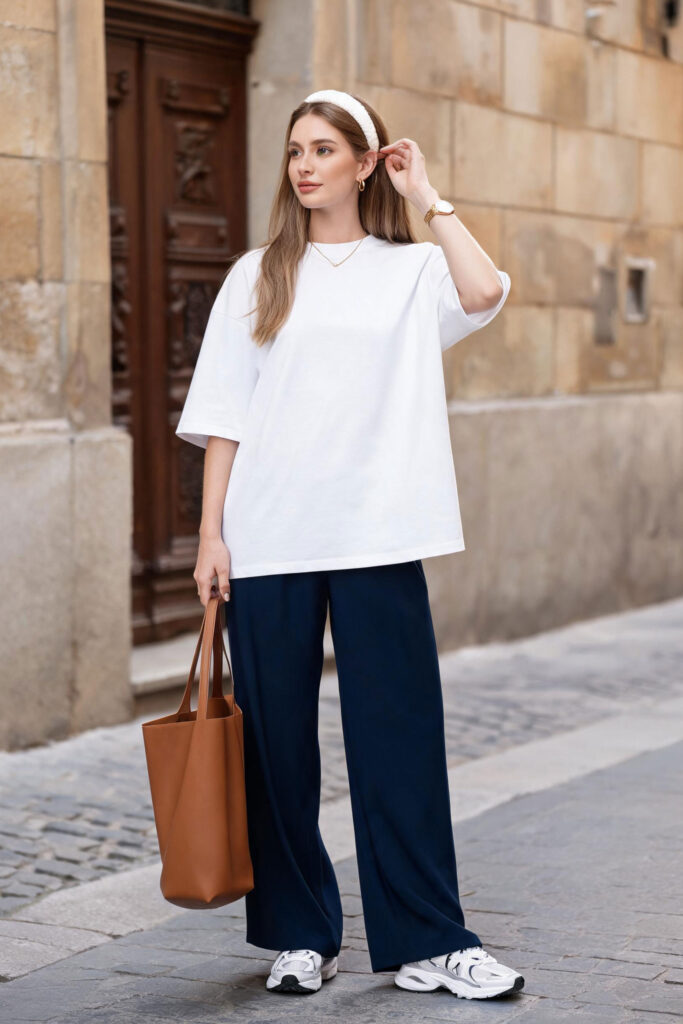
Oversized tees can feel incredibly comfortable, but only when the fabric is lightweight enough to fall naturally. Fitted tees feel cleaner, more structured, but they tend to hold heat more quickly outdoors. Boxy cuts usually sit somewhere in the middle—relaxed, but still shaped enough to feel intentional.
There are also small details I’ve started paying attention to without thinking about it: neckline openness, shoulder seams, sleeve length. They don’t seem important at first, but they decide whether a t-shirt feels like part of you or something you constantly adjust.
At this point, I’m not really looking for perfect t-shirts. I just keep the ones I stop noticing once I’m out living my day.
T-Shirt Styles That Actually Work in Summer
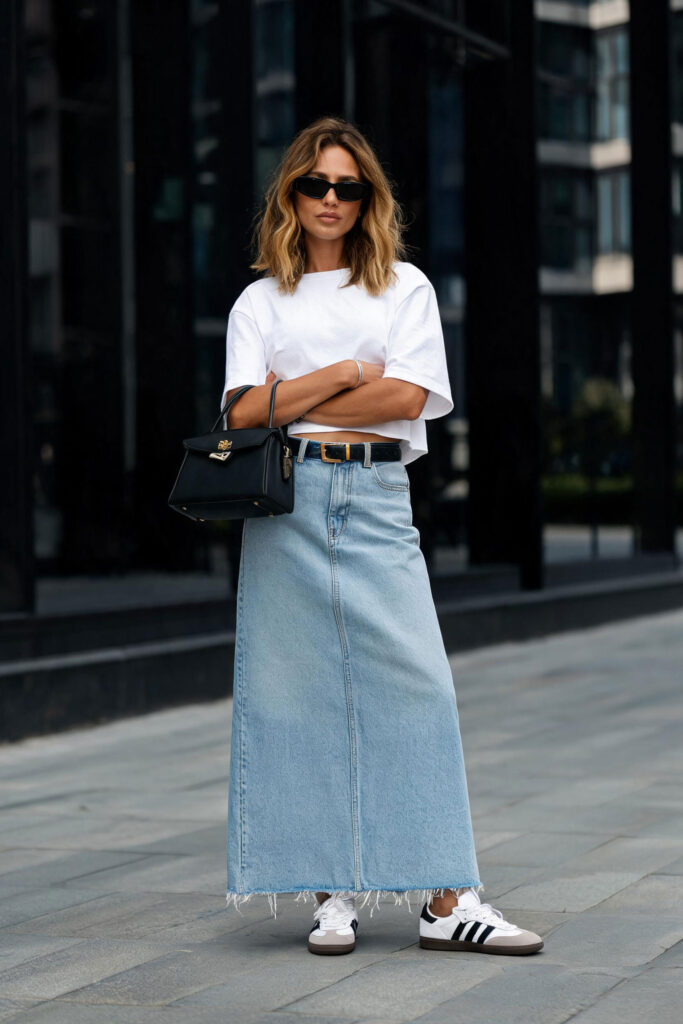
Cropped t-shirts are what I reach for when the heat feels intense. The reduced fabric around the waist makes a noticeable difference in airflow, especially during peak afternoons.
Boxy tees have become my most reliable everyday shape. They feel structured without clinging, and they work in almost any casual setting without effort.
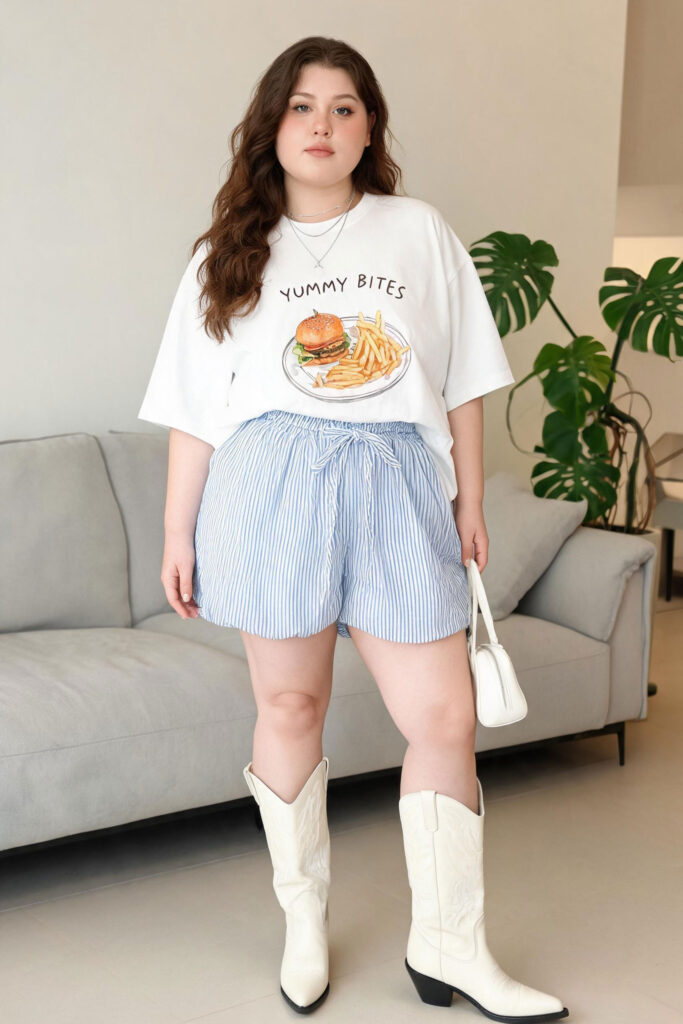
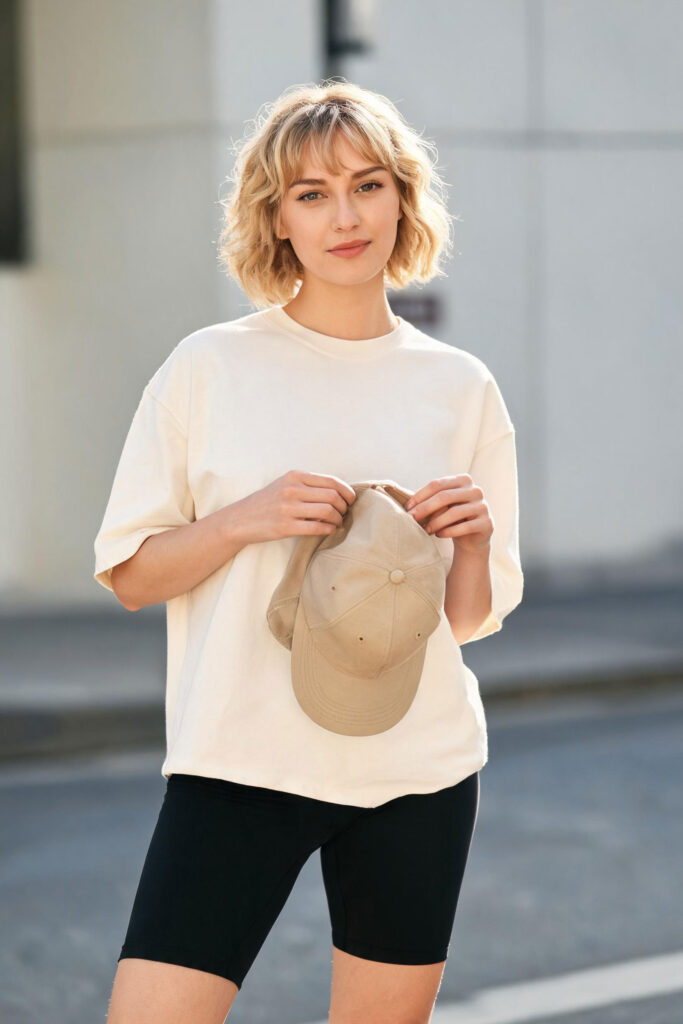
Oversized tees are pure comfort pieces. I like them most with biker shorts, especially on days when I don’t want anything touching the body too closely—but they only work well when the fabric stays light.
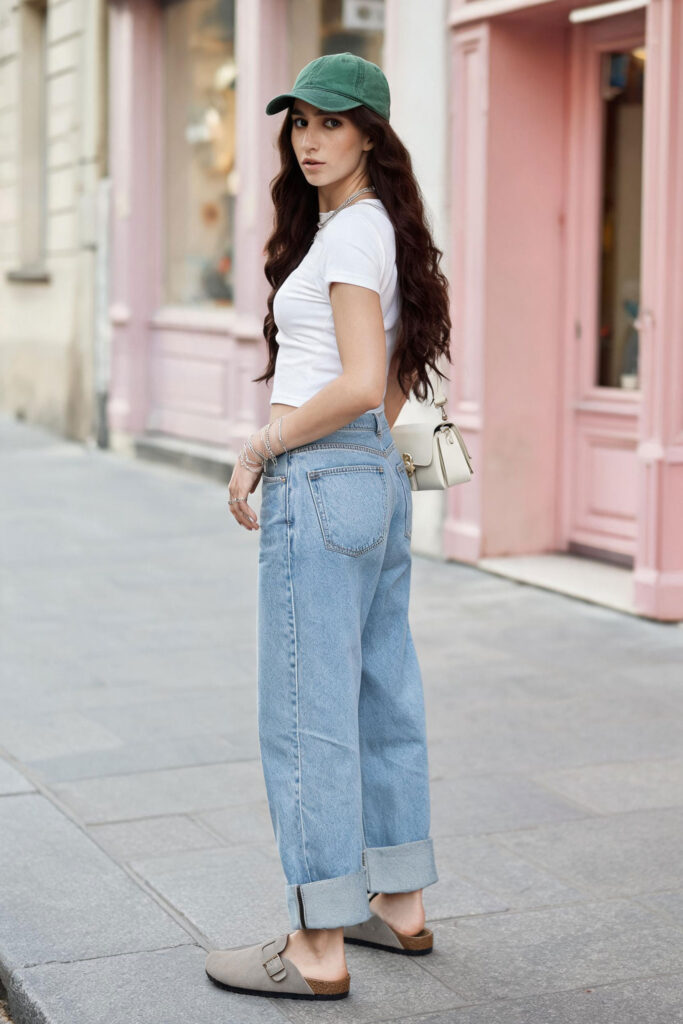
Fitted tees still have a place, but mostly indoors or for short outings. In long hours of walking heat, they tend to feel more restrictive than expected.
Over time, I’ve realized cut matters less than how the fabric reacts once your body starts heating up.
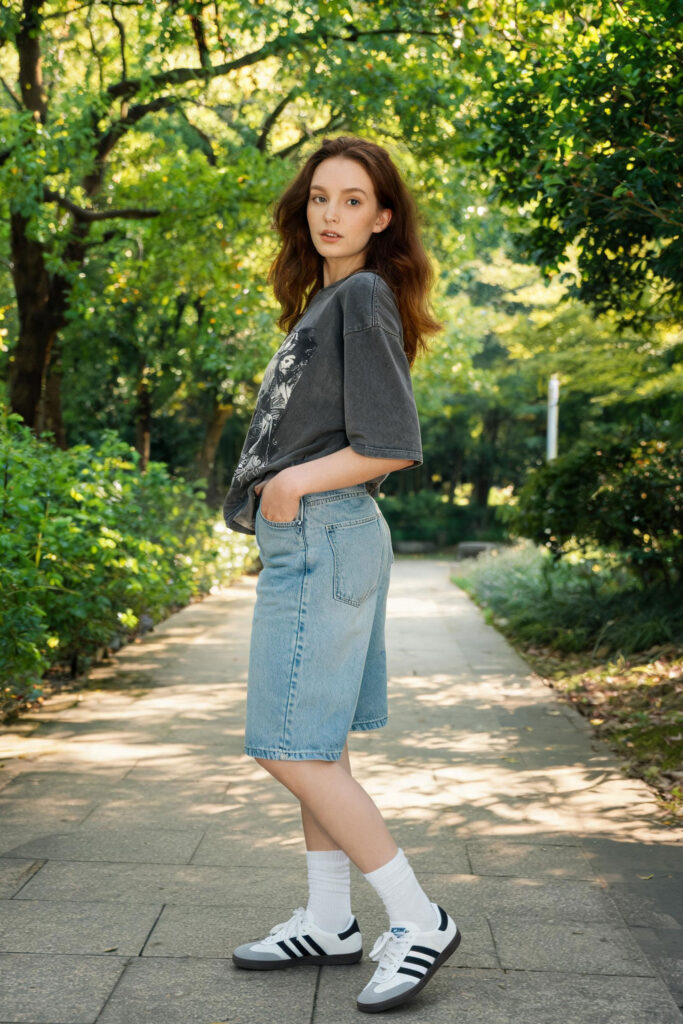
6 Summer T-Shirt Outfit Ideas (Real-Life Wear)
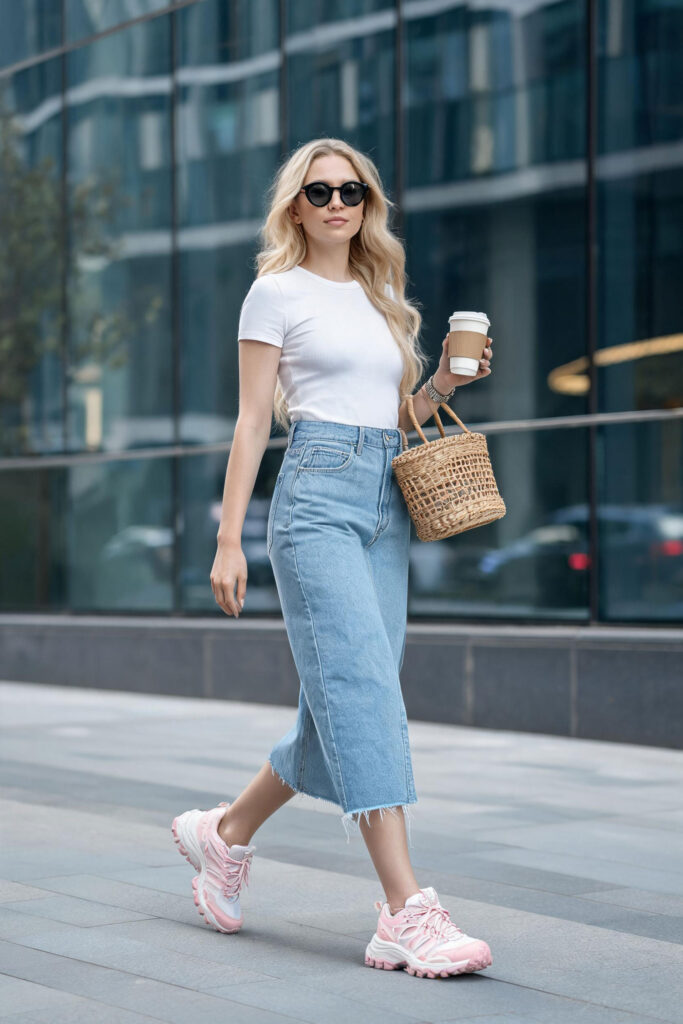
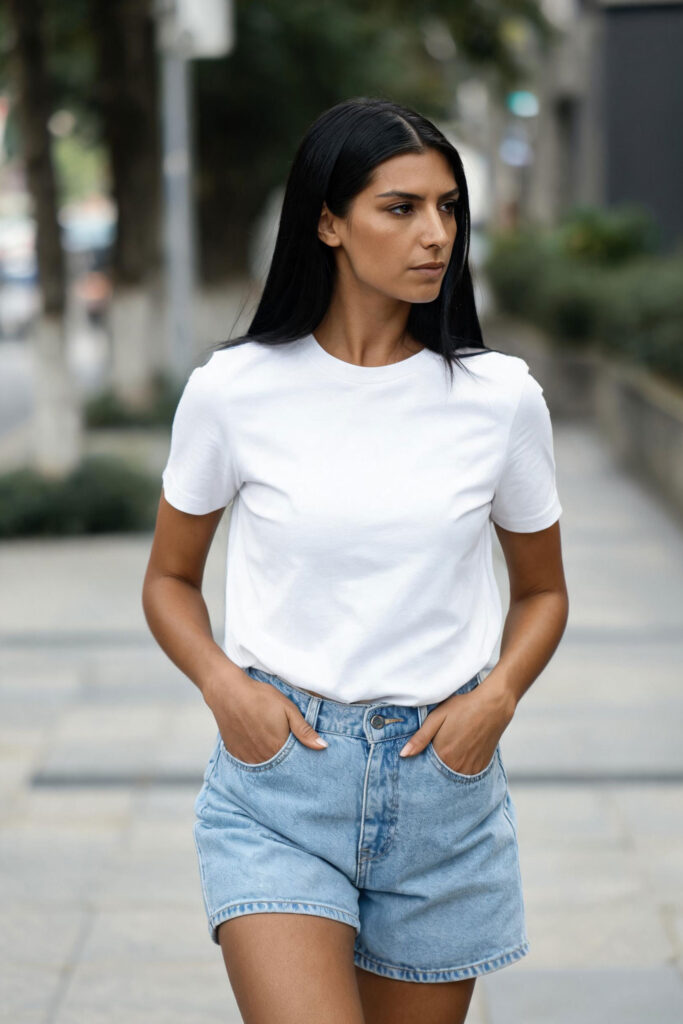
White T-Shirt + Denim Shorts
This is the outfit I fall back on without thinking. It works for everything from quick errands to slow afternoon walks. It’s simple, and that’s exactly why it survives every summer.
Oversized T-Shirt + Biker Shorts
This is probably the combination I wear most often now. The oversized top creates airflow, while biker shorts keep movement easy and friction-free. On hot days, it just works without needing any adjustment.
Boxy Tee + Wide-Leg Pants
This pairing feels balanced in a quiet way. The loose trousers keep things ventilated, while the boxy top adds structure so it doesn’t feel shapeless. It works especially well for full days outside.
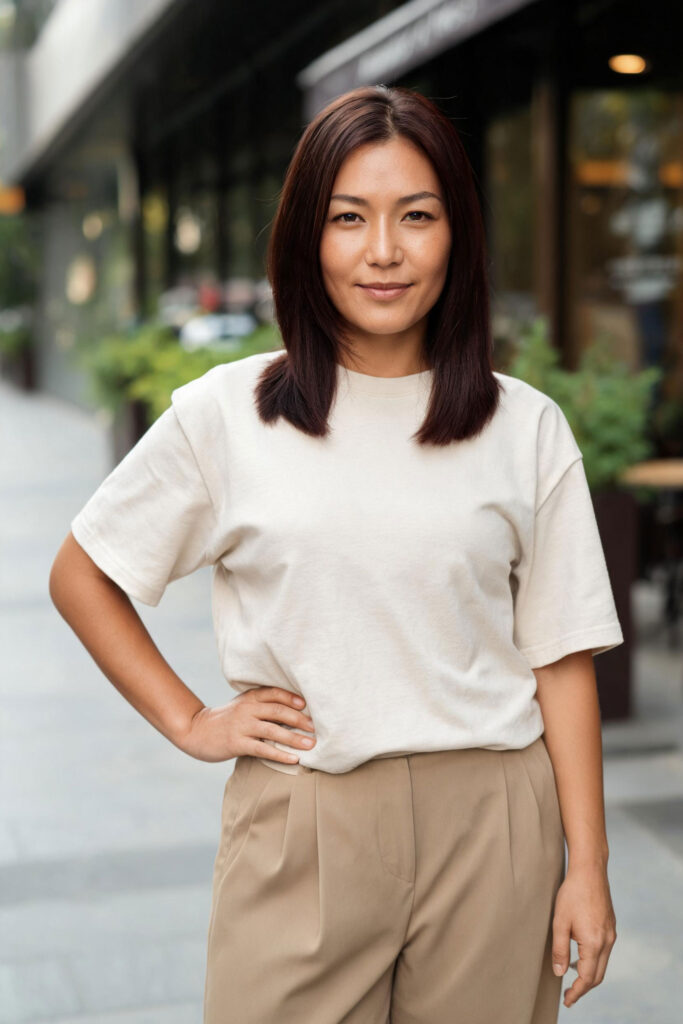
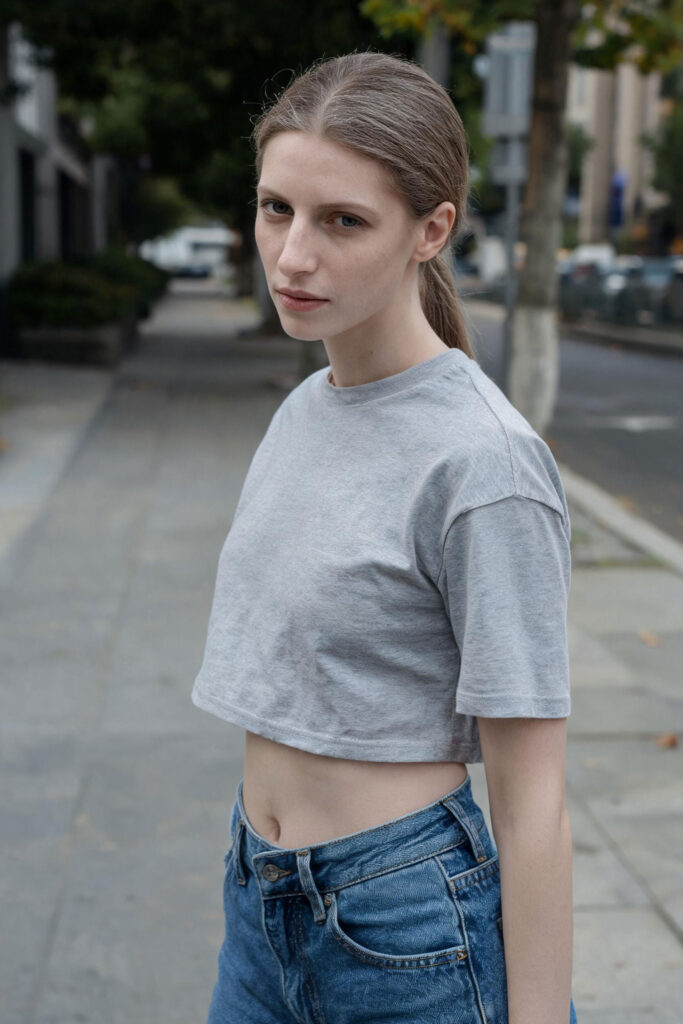
Cropped T-Shirt + High-Waisted Bottoms
This is what I reach for when the heat feels heavy. Less fabric around the midsection makes a noticeable difference, especially during long afternoons outdoors.
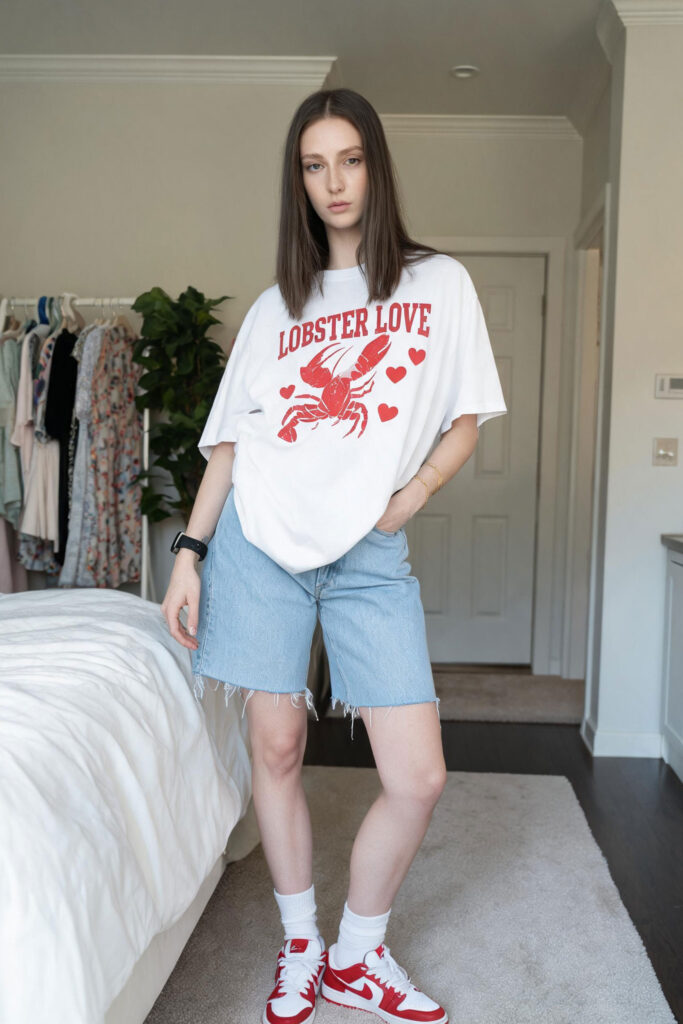
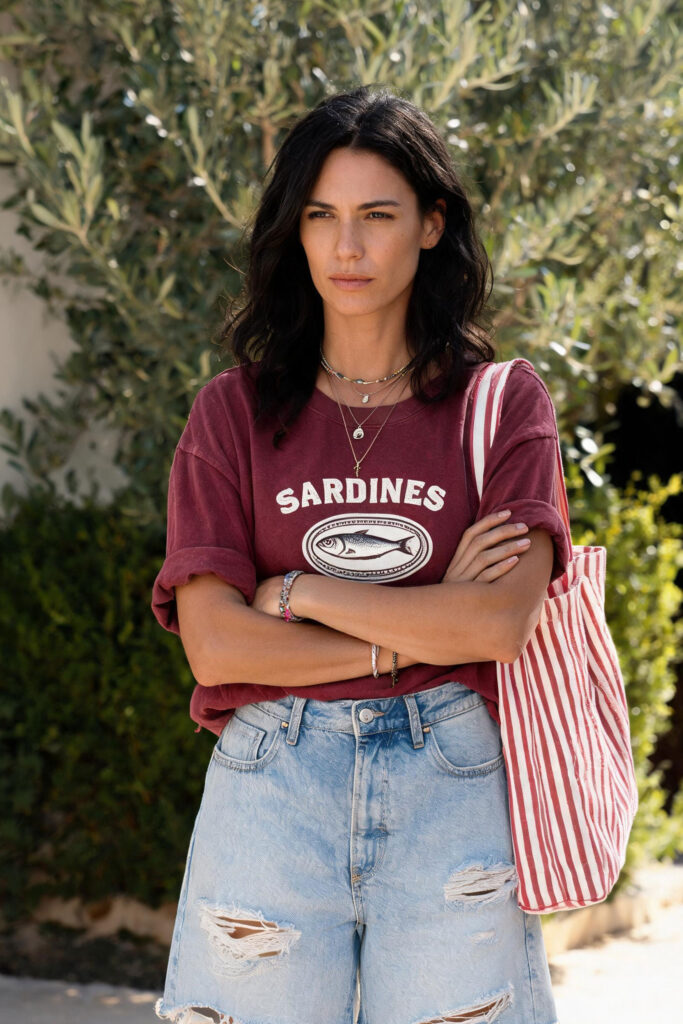
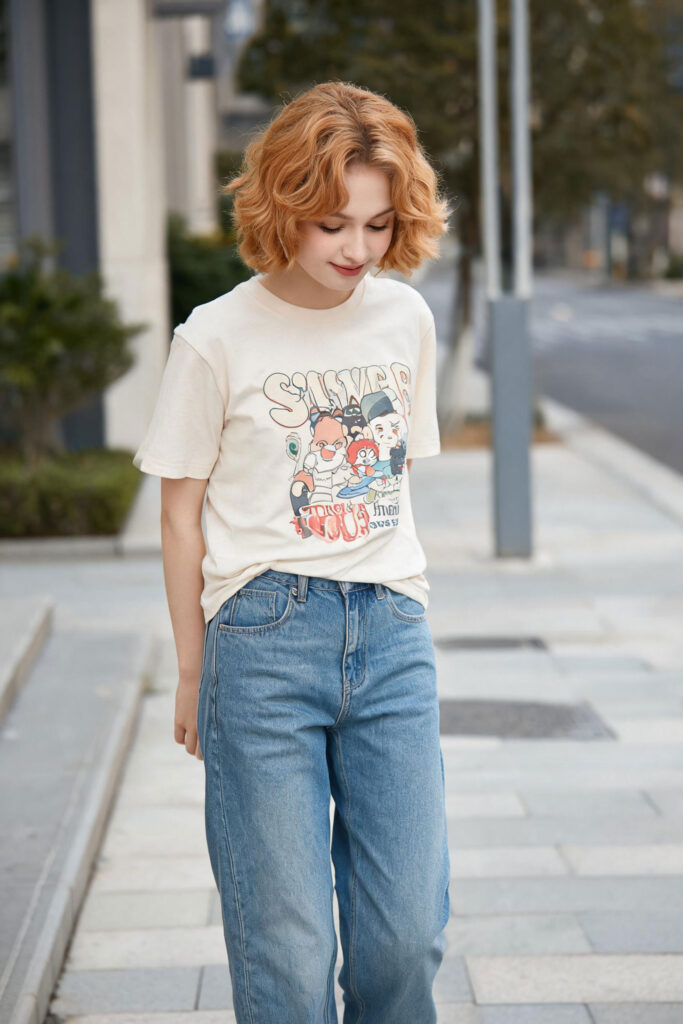
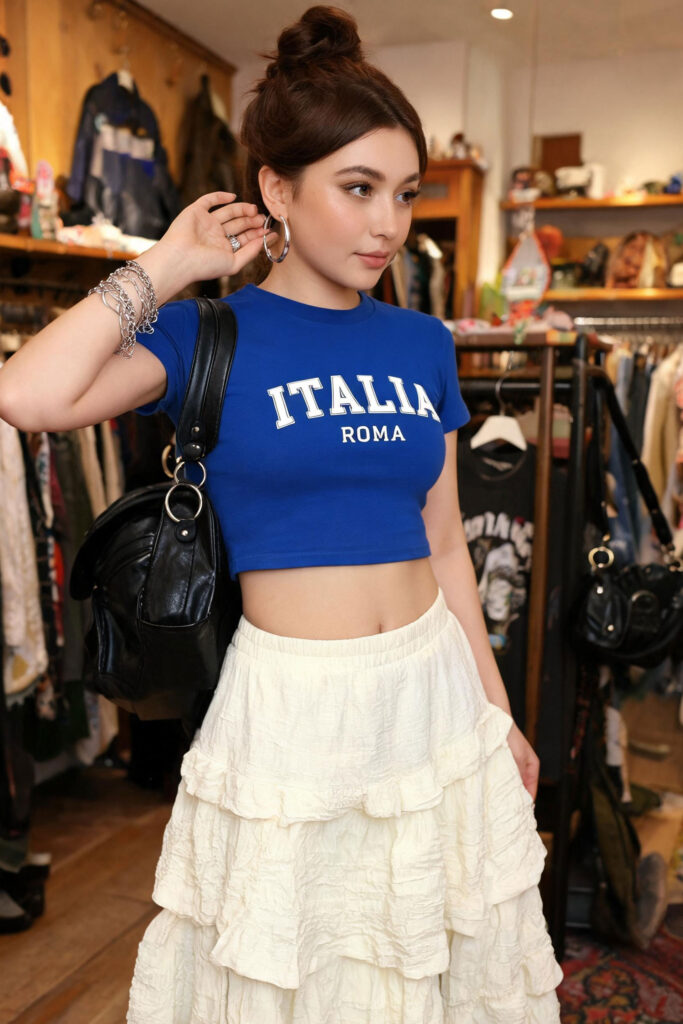
Graphic Tee + Relaxed Jeans
This is less about styling and more about mood. It feels relaxed, slightly lived-in, and works well on slow weekends when I don’t want to think too much about outfits.
Lightweight T-Shirt + Linen Pants

This is what summer dressing feels like at its best. Everything is light, breathable, and easy to wear even in humid weather. It’s the kind of outfit that works for travel, long walks, or unplanned days outside.
How Summer Weather Changes What You Wear
Summer isn’t one consistent condition. Some days are dry heat, some are heavy humidity, and many shift between indoor AC and outdoor sun within minutes.
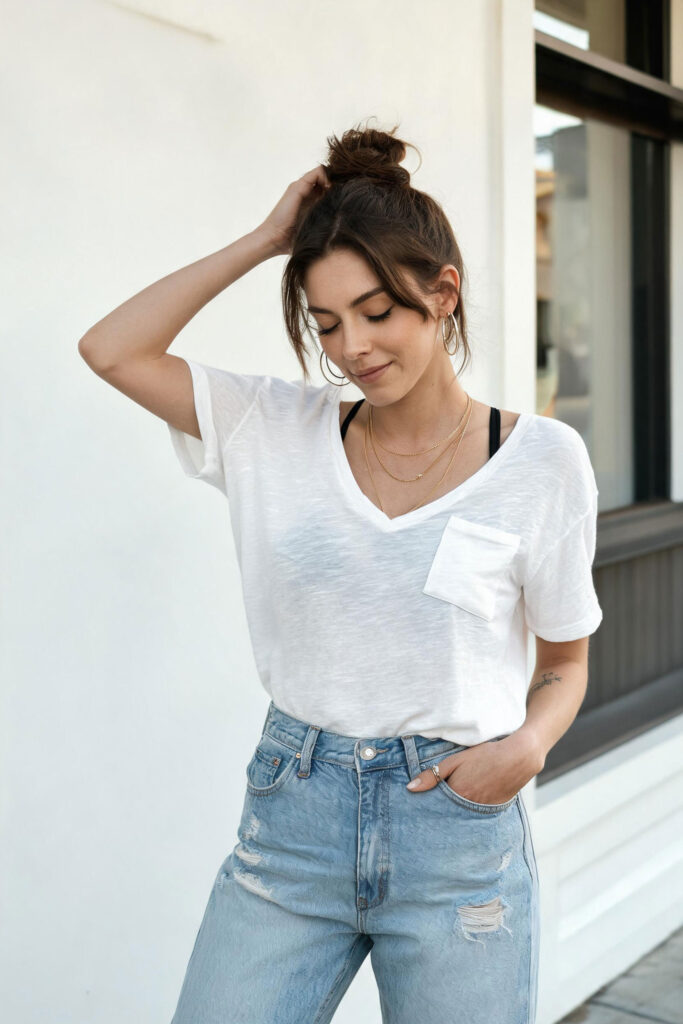
That’s why I stopped thinking in fixed outfits and started thinking in situations instead.
Thin cotton works better in dry heat. Jersey handles humidity more comfortably. Linen feels right when there’s airflow. And when your day keeps switching between indoors and outdoors, layering matters more than anything else.
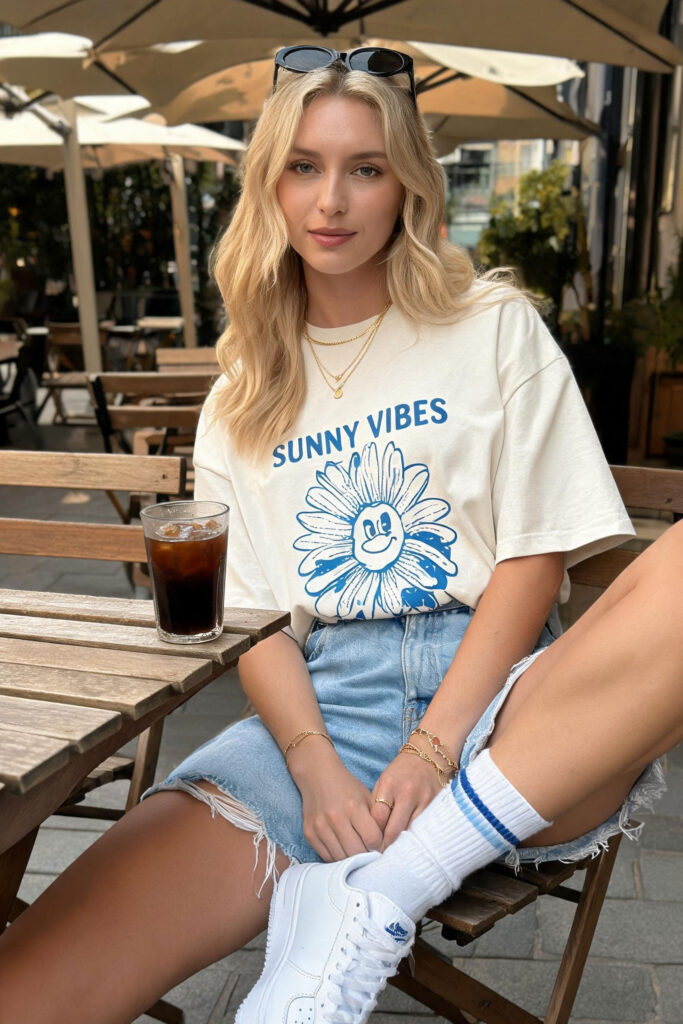
The same t-shirt can feel completely different depending on context.
Simple Styling Tricks That Actually Matter
Summer styling works best when it stays subtle.
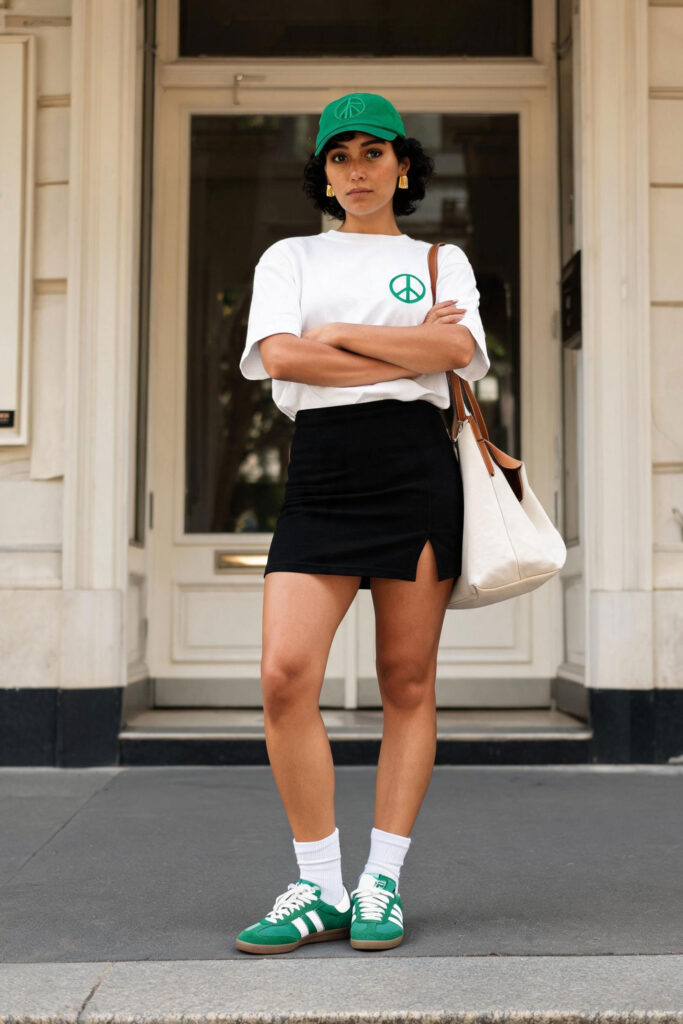
A half-tuck can shift the shape of an outfit without adding anything extra. Light neutral tones feel visually cooler and are easy to repeat without getting tired of them.
If I layer, it’s usually just an open shirt over a tee—nothing more than that. Anything heavier tends to feel unnecessary once the temperature rises.
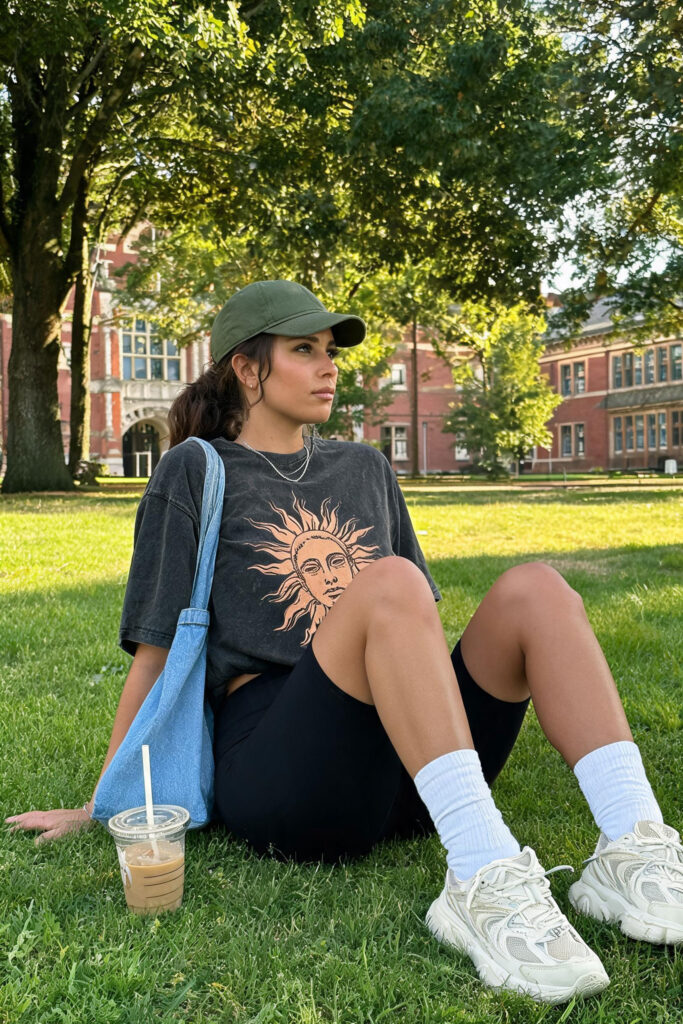
Most of the time, less adjustment leads to better outfits.
Getting the Right Fit for Warm Weather
Fit becomes more noticeable in summer than any other season.
Tight tees reduce airflow. Oversized ones can feel bulky if the fabric is too heavy.
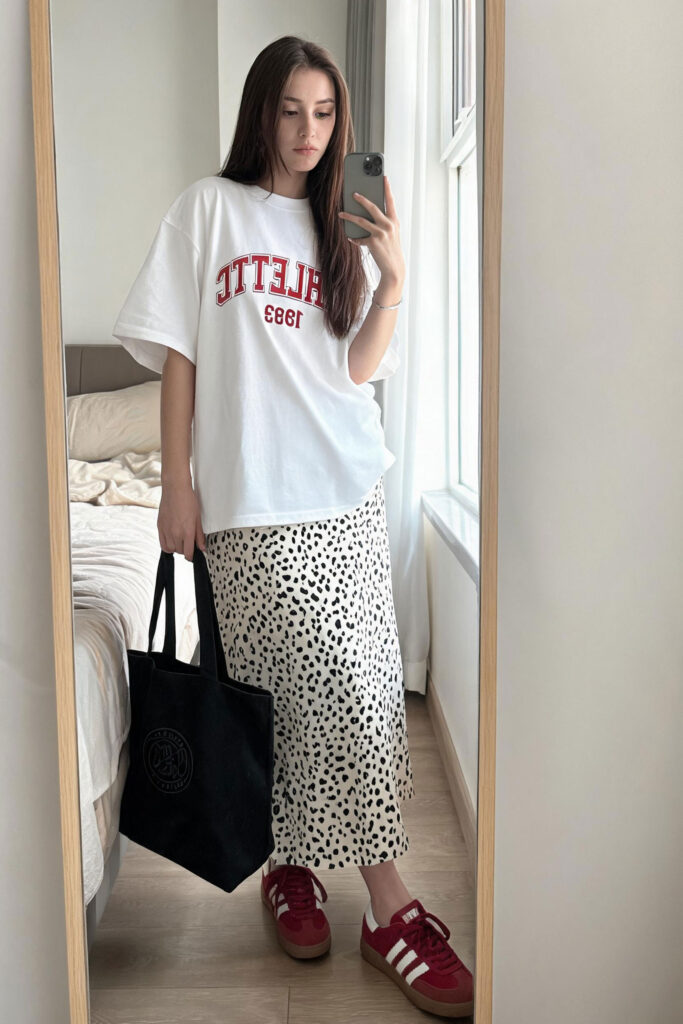
The ideal summer fit is usually the one I forget about within minutes of wearing it.
Styling Mistakes I’ve Made
I used to rely too much on thick cotton tees because they looked structured. They rarely felt good outside.
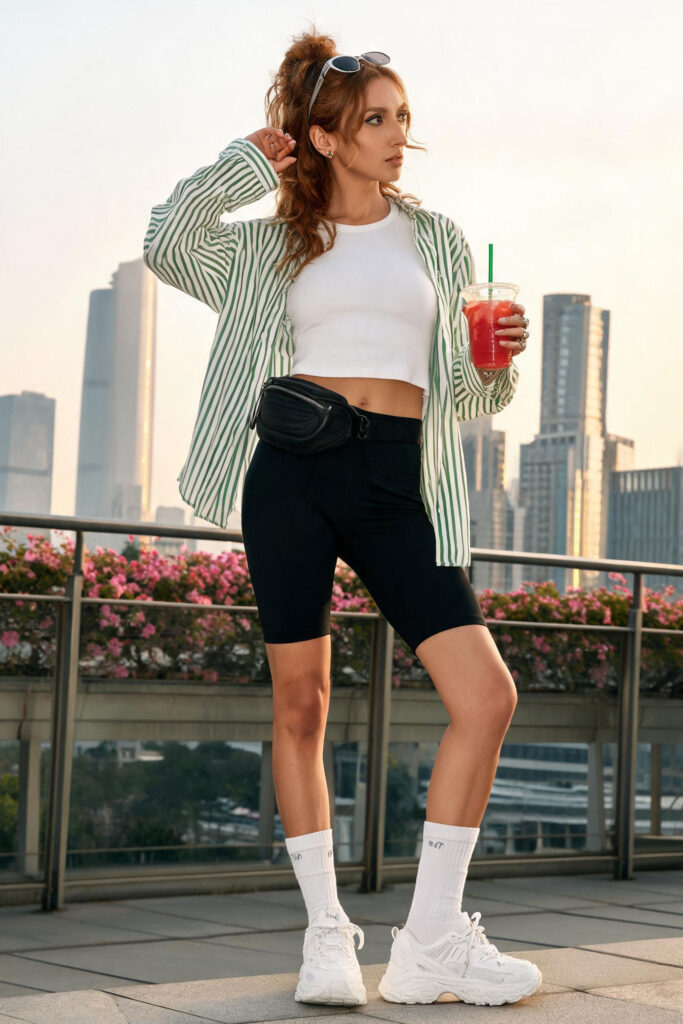
I also wore tops that were too tight, thinking they looked cleaner, but they ended up restricting airflow.
Dark colors made everything worse without me realizing it.
And the biggest mistake was overthinking outfits that should have stayed simple.
Small Details That Change Everything
A t-shirt alone never defines the outfit.
Shoes shift the tone completely—sneakers make it practical, sandals make it lighter instantly.
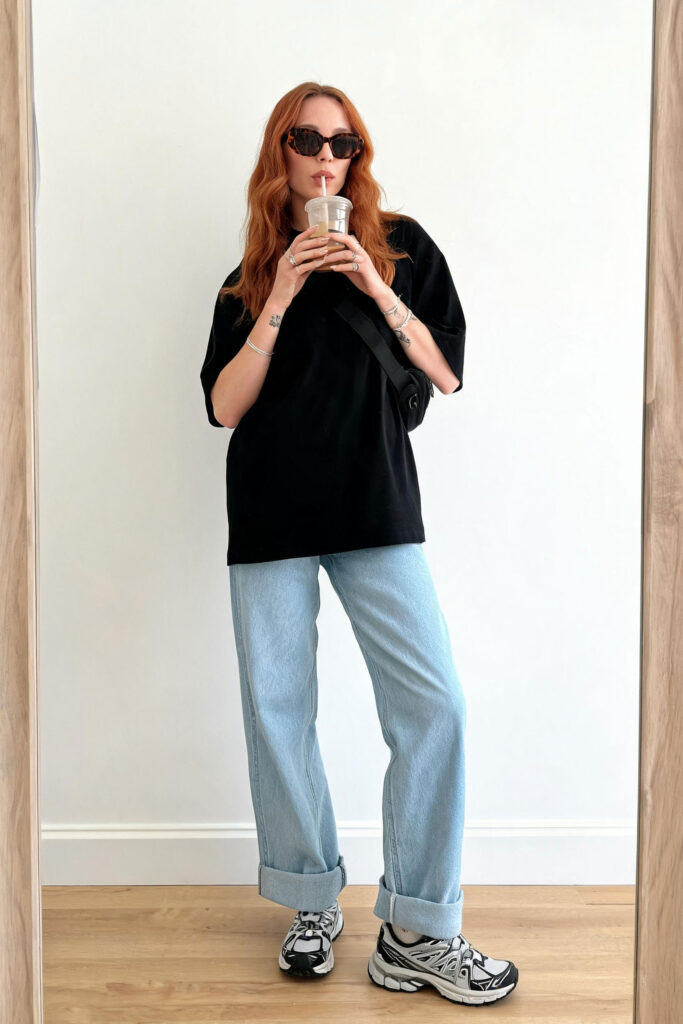
Accessories like sunglasses, caps, and small bags allow the same tee to feel different every time I wear it.
These small changes often matter more than changing the clothes themselves.
Dressing for Different Summer Days
I no longer plan outfits in advance. I decide based on how the day actually feels.
On walking-heavy days, I choose loose breathable tees. For travel, I prioritize lightweight pieces that handle temperature shifts. For city days, I keep things simple and stable.
Even indoors, a t-shirt still works because of how often we move between AC and heat.
Context shapes everything.
Building a Simple Summer T-Shirt Capsule Wardrobe
You don’t need many pieces to get through summer comfortably.
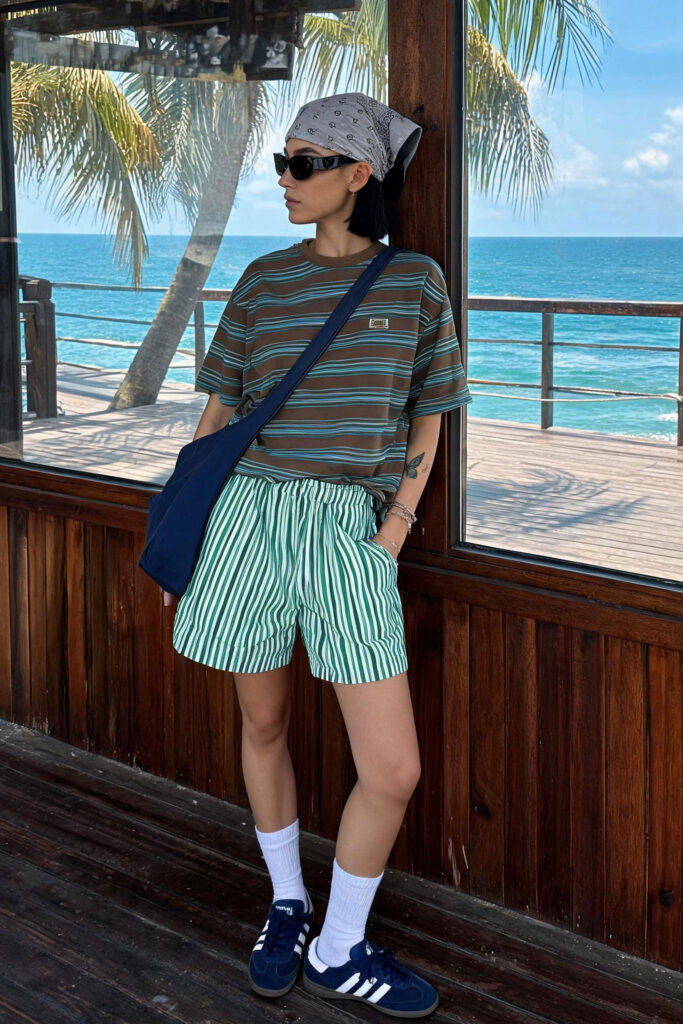
A small rotation is usually enough: a few neutral tees, a couple of boxy or oversized ones, one cropped style, and one or two casual variations.
The goal isn’t variety—it’s reliability.
Conclusion
A good summer t-shirt never really announces itself.
It blends into the day quietly, without needing attention.
Some days it’s a white tee and denim shorts. Other days it’s oversized and loose.
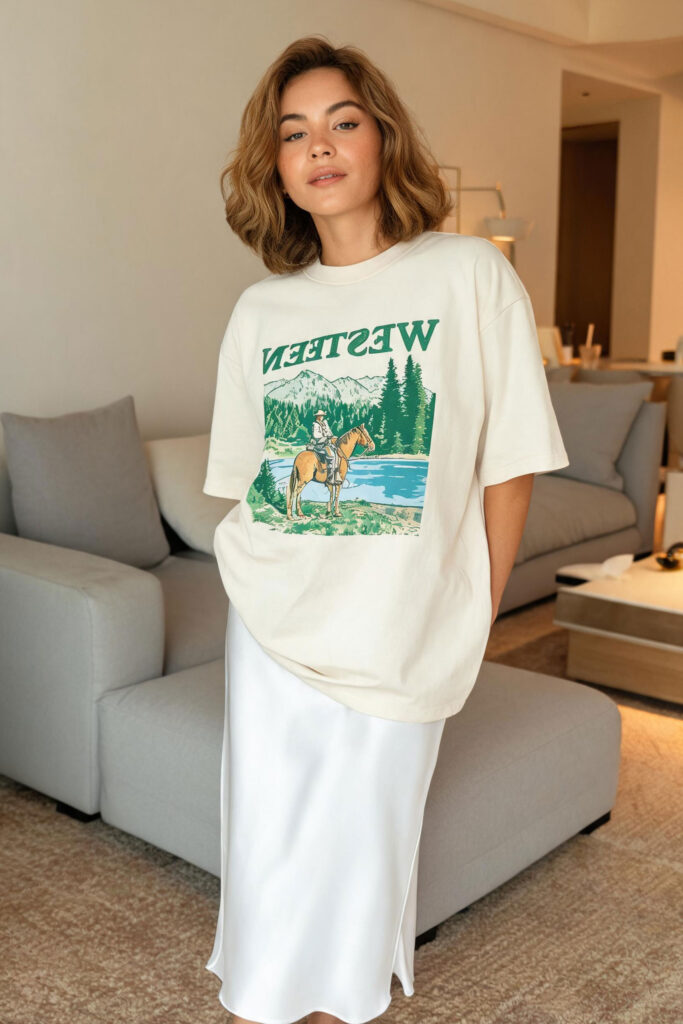
It never needs to be more complicated than that.
When the air turns heavy and sticky, the simplest outfits are usually the ones that feel the best to wear.