A water park day never really stays still. One moment you’re baking under harsh midday sunlight queuing for a steep slide, shoulders exposed to unfiltered UV rays; the next you’re fully submerged in cool water, your swimsuit soaked through. Minutes later, you trudge barefoot across scorching, water-slick concrete to find your towel and belongings.
Every quick shift—wet to semi-dry, standing to sliding, walking to floating—tests your outfit in ways you don’t immediately notice. Over hours of repetition, tiny overlooked details decide whether your day feels relaxed or quietly exhausting.
This guide breaks down practical water park outfit ideas, what works for different ride zones, and how to stay comfortable from opening to closing. Water park dressing isn’t about trends or photo styling—it’s about mobility, quick-dry performance, and staying comfortable under constant sun and movement.
It Starts With How Fabric Performs When Wet
When you jump in and out of water dozens of times a day, fabric becomes the foundation of comfort.
Swimwear made of nylon, quality polyester blends or four-way spandex performs far better than cotton or weak blends. These materials repel water instead of absorbing it, so they never become heavy, clingy, or cold against the skin.
What matters most is not just how fabric feels in water, but what happens after you get out. The “in-between phase” between rides is where comfort is decided. Lower-quality fabrics stay damp deep in the weave, clinging to skin even under sunlight, which creates a constant cold-and-sticky sensation while walking between attractions.
Better swimwear dries in layers. The outer surface sheds water quickly while the inner lining stops sticking tightly to the body. This reduces that awkward recovery time after each ride and keeps your body temperature more stable throughout the day.
Over a full park schedule, this difference adds up. Instead of repeatedly “resetting” your comfort after every splash, your outfit naturally returns to a neutral, ready-to-move state.
Fit Trumps All Stylistic Choices at the Water Park
Slides, wave pools, and splash zones leave no time to adjust swimwear mid-motion. Whatever fits securely in the morning is what you’ll rely on all day.
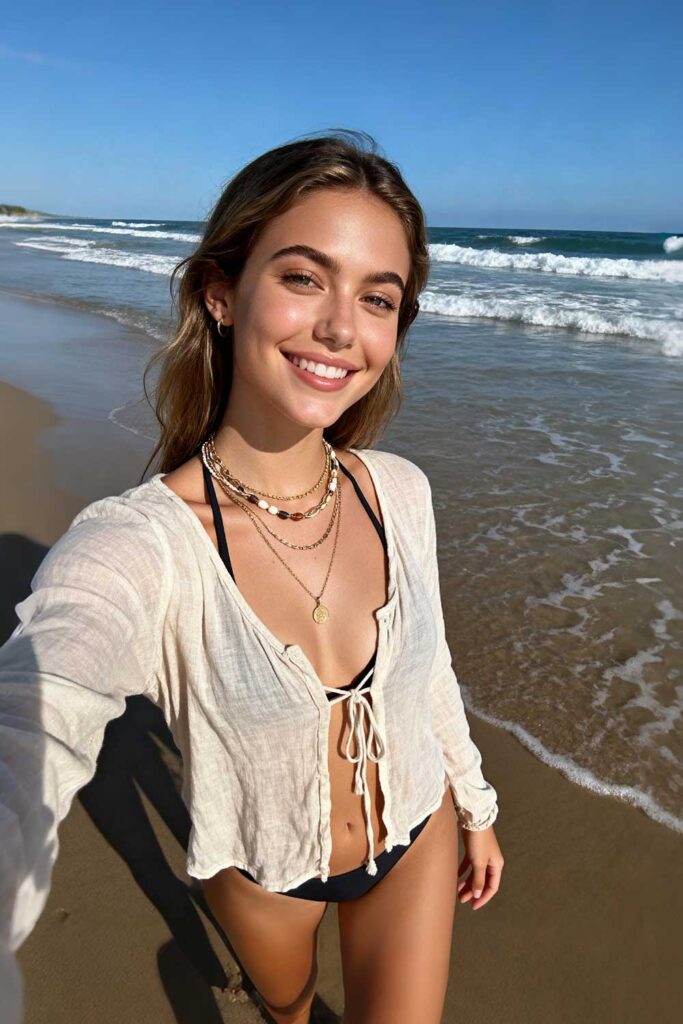
Supportive bikini tops, structured one-pieces, and adjustable swim sets consistently outperform loose or overly decorative designs. Not because they look simpler, but because they eliminate constant micro-adjustments.
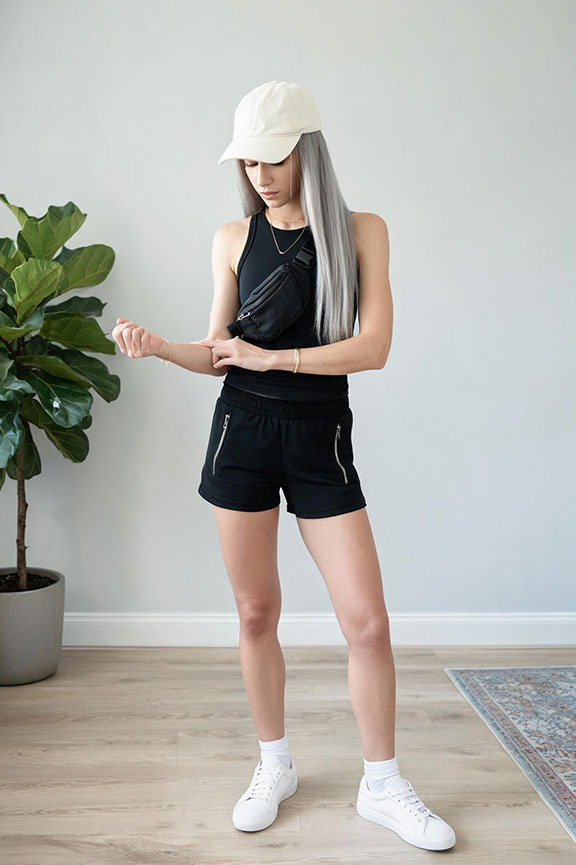
In real movement-heavy zones, swimwear is constantly pulled in different directions—water pressure, sliding force, walking friction. Poorly structured pieces slowly shift out of place: straps loosen slightly, edges rotate, or fabric rides up after repeated motion.
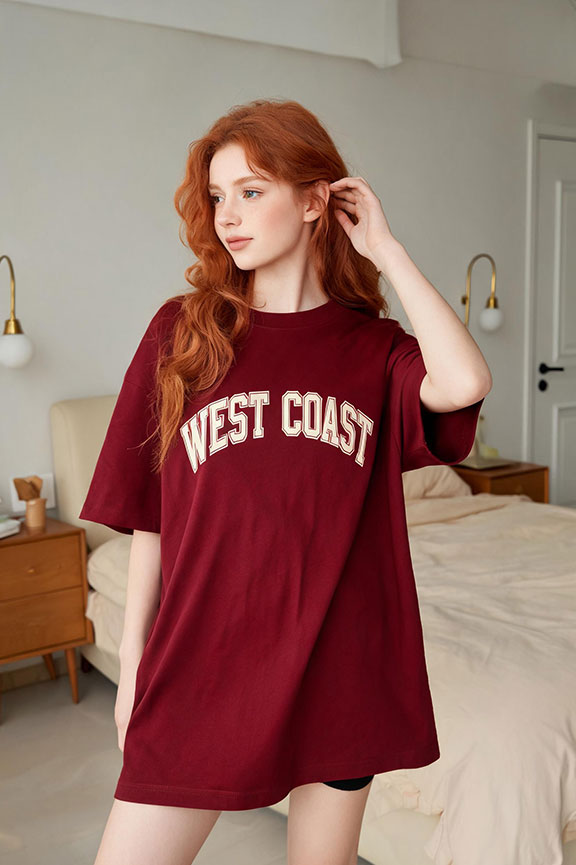
None of these feel serious in isolation, but together they create a pattern of small interruptions that break immersion and increase fatigue.
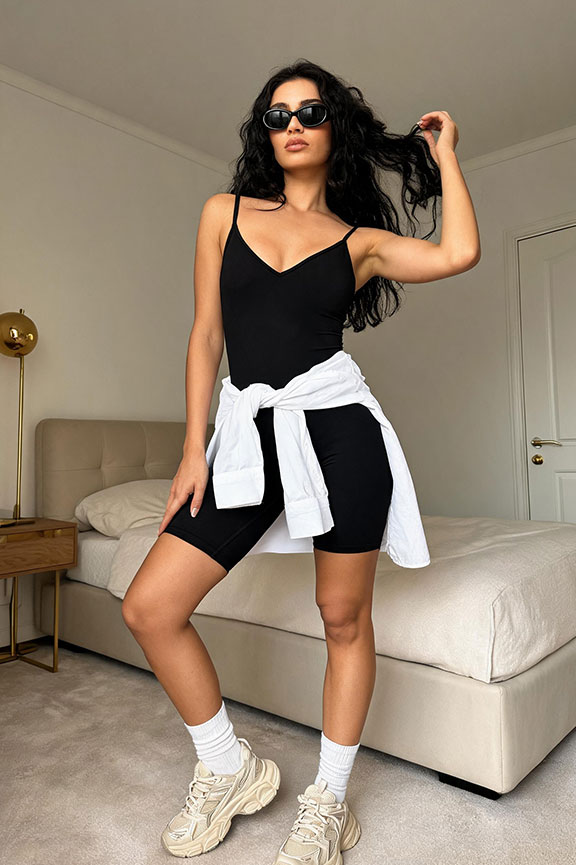
The goal is not tightness—it’s return stability: once movement stops, the outfit naturally settles back into position without correction.
A Few Real Outfit Examples That Actually Work All Day
Sporty Secure Bikini Set
A sporty bikini with a wide underband and cross-back straps stays secure through wave pools and slides without shifting. It looks minimal, but that stability becomes more valuable as repetition builds across the day.
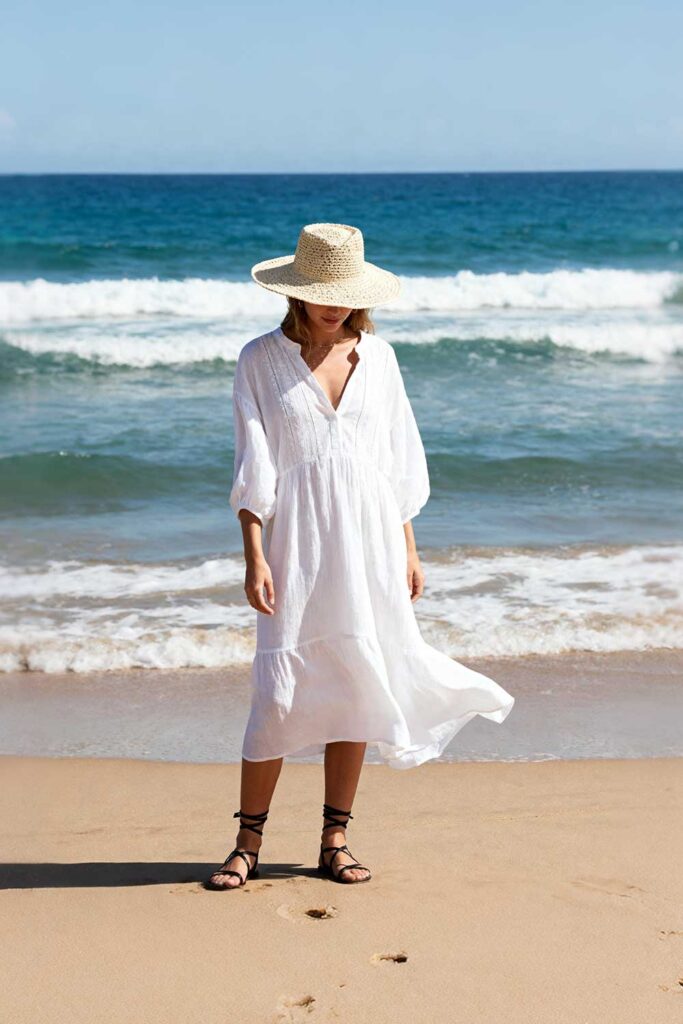
Full-Coverage One-Piece + Quick-Dry Shorts
A structured one-piece handles all water activities in one stable layer, while lightweight shorts make walking between zones more comfortable on hot, wet surfaces. This combination reduces exposure fatigue when moving through crowded or sunny areas.
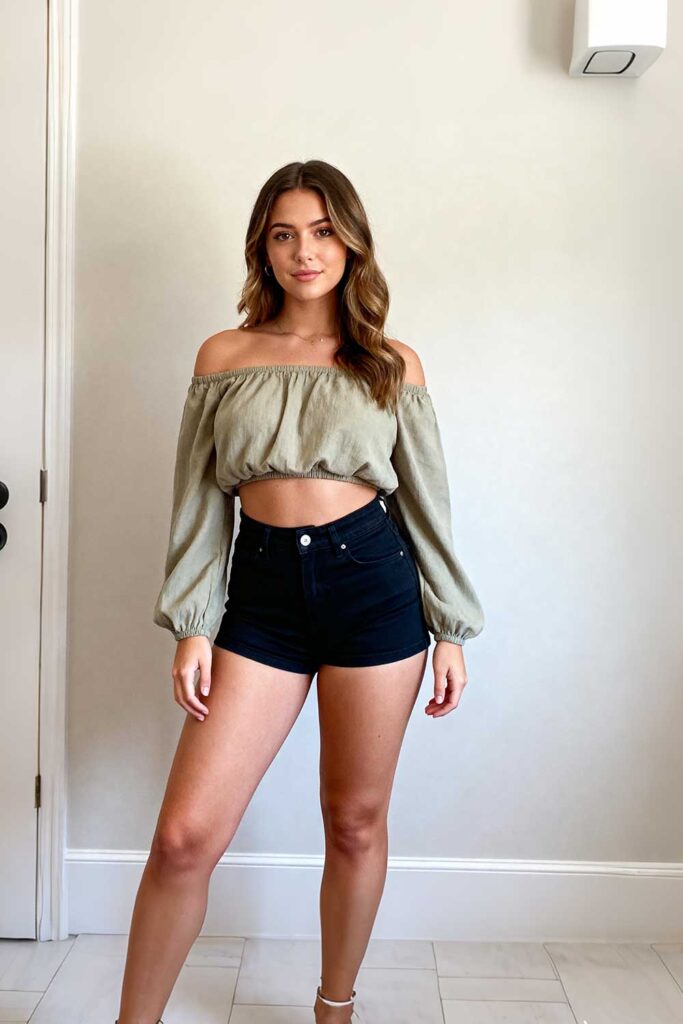
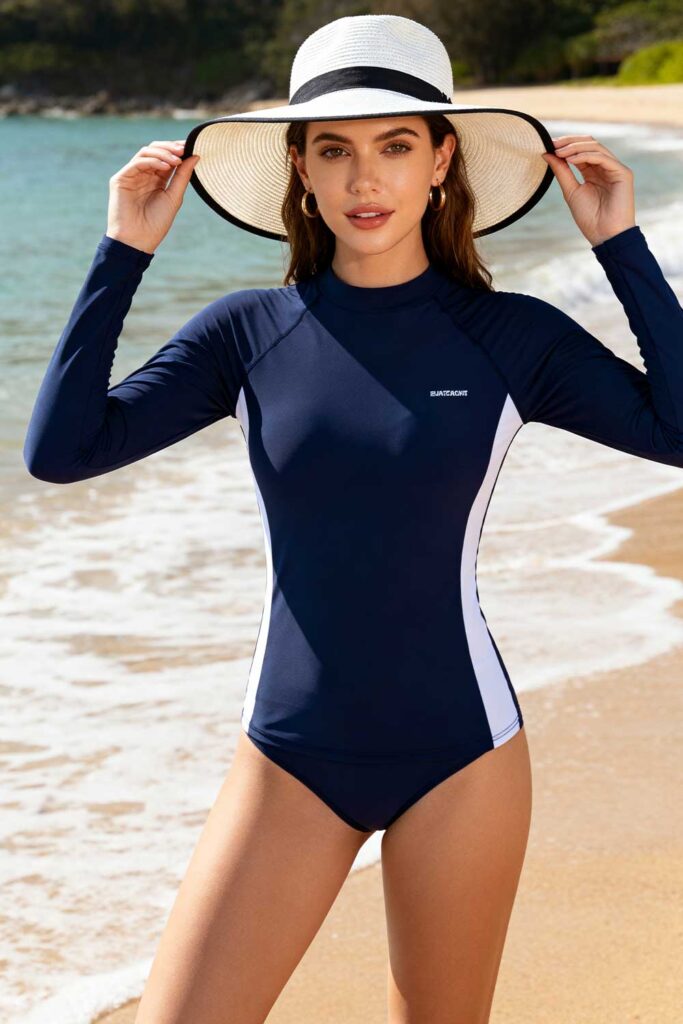
Long-Sleeve Rash Guard Set
Rash guards often feel like simple coverage early in the day, but become essential later. They reduce constant sunscreen reapplication, protect shoulders and arms from cumulative UV exposure, and maintain comfort even after repeated water cycles.
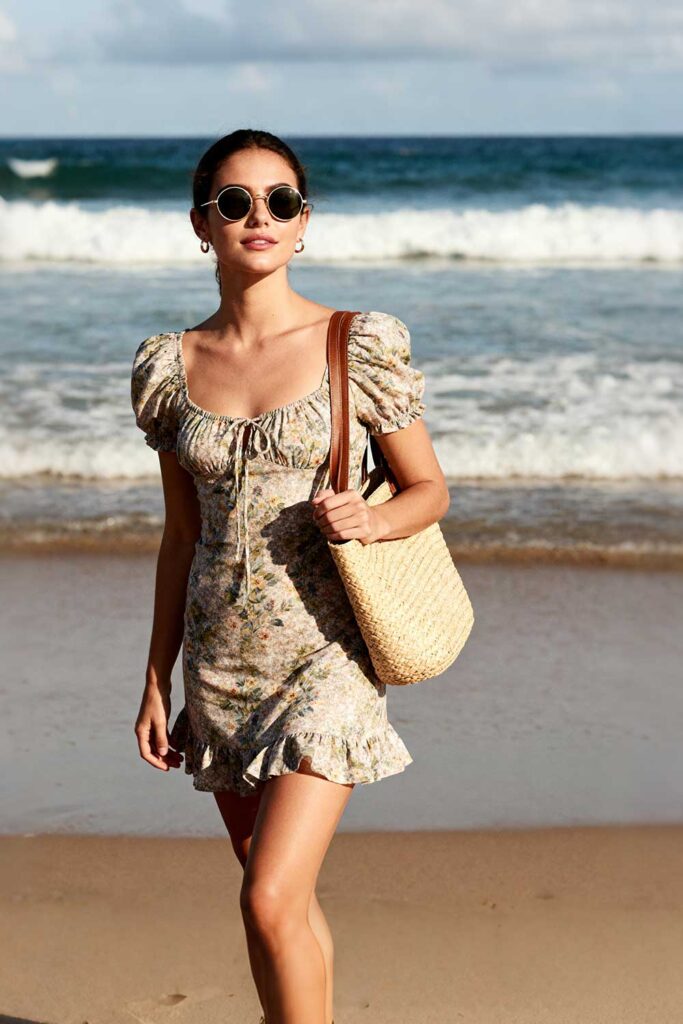
Sun Exposure Is Far Too Easy to Overlook
Water parks amplify UV exposure because water and concrete reflect sunlight directly onto the skin. This creates a stronger exposure effect than many people expect.
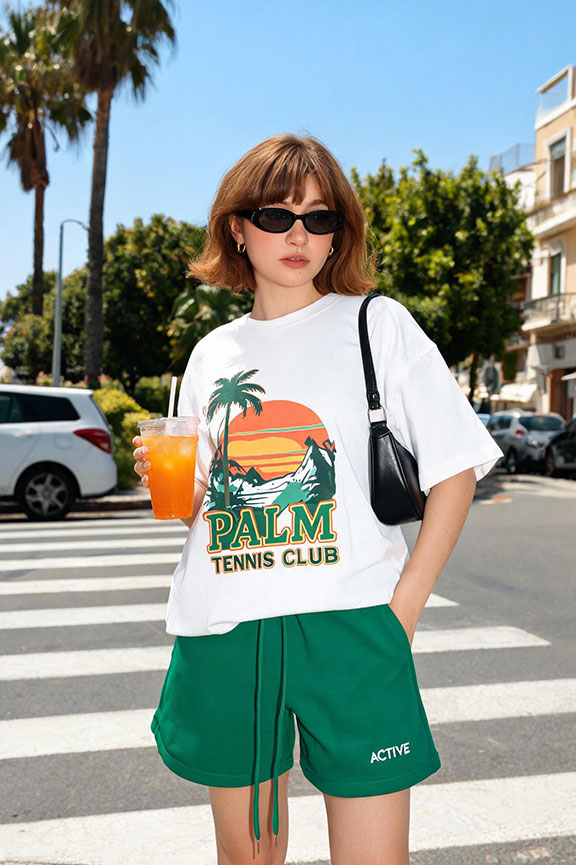
The challenge is that it doesn’t feel intense in real time. You’re constantly switching between shade, water, and open sun, so sun damage builds gradually without immediate signals.
Lightweight UPF rash guards and long-sleeve swim tops help solve this quietly. They don’t feel heavy in water but provide continuous coverage throughout the day. A thin cover-up also becomes useful during long walking stretches between rides, especially under midday heat when surfaces feel significantly hotter than pool areas.
Footwear Is the Top Source of Midday Irritation
Footwear often becomes uncomfortable after hours of walking across wet concrete and constantly damp surfaces.
The issue is not just slipping—it’s cumulative instability. Loose flip-flops shift slightly with every step, especially on stairs or near ride entrances, creating small interruptions throughout the day.
Water shoes or sport sandals with secure ankle straps and anti-slip soles stay in place more reliably. Over time, this reduces fatigue from constant readjustment and improves overall walking comfort across long distances.
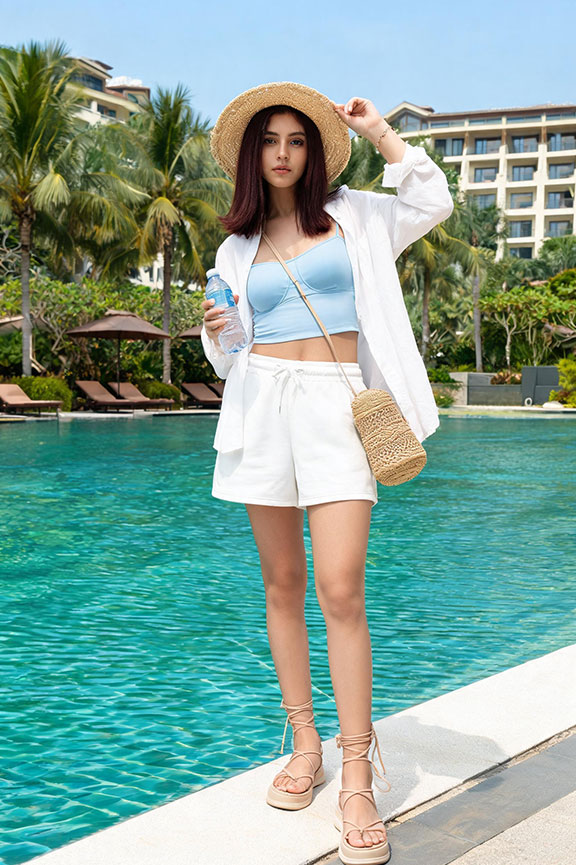
It’s not the most visible part of your outfit, but it often determines how tiring the day feels by afternoon.
What to Pack for a Full Water Park Day
Even well-fitted swimwear performs better when paired with the right essentials.
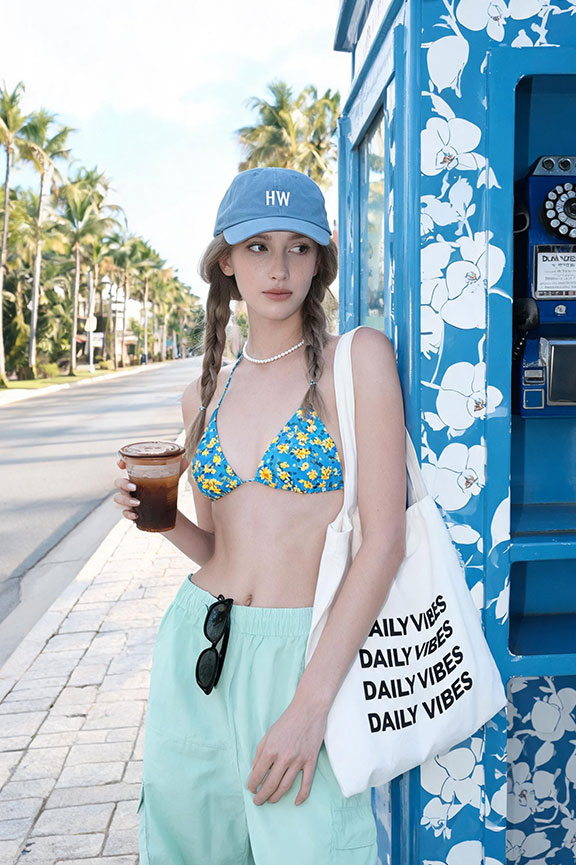
A practical water park packing list includes:
- 2 swim sets for rotation or drying breaks
- Quick-dry microfiber towel
- Waterproof phone pouch
- SPF 50 water-resistant sunscreen
- Lightweight cover-ups for walking areas
- Secure water shoes or sport sandals
- Dry bag for valuables
- Hair ties or claw clip for wet hair
- Sunglasses strap for rides and wind
These small items reduce friction points that build up across a long, wet day.
Different Park Zones Call for Different Functional Outfits
Each area of a water park changes how your outfit performs.
Wave pools require secure swimwear that can handle unpredictable force from multiple directions.
Water slides demand minimal silhouettes with no loose elements that could catch or create friction.
Lazy rivers prioritize long-wear comfort during extended floating.
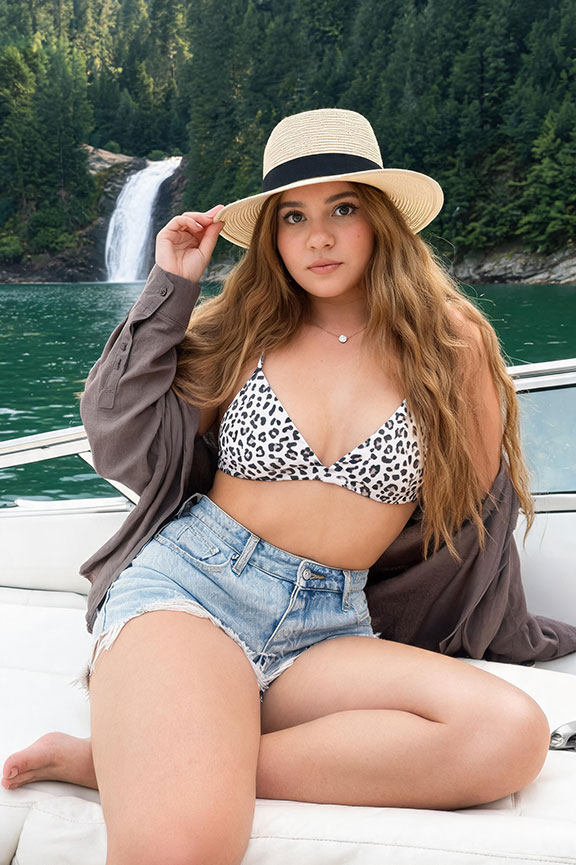
Kids’ splash zones require flexible outfits that allow constant movement without restriction.
Across all zones, the key difference is not appearance—it’s how fabric behaves under repeated stress and movement.
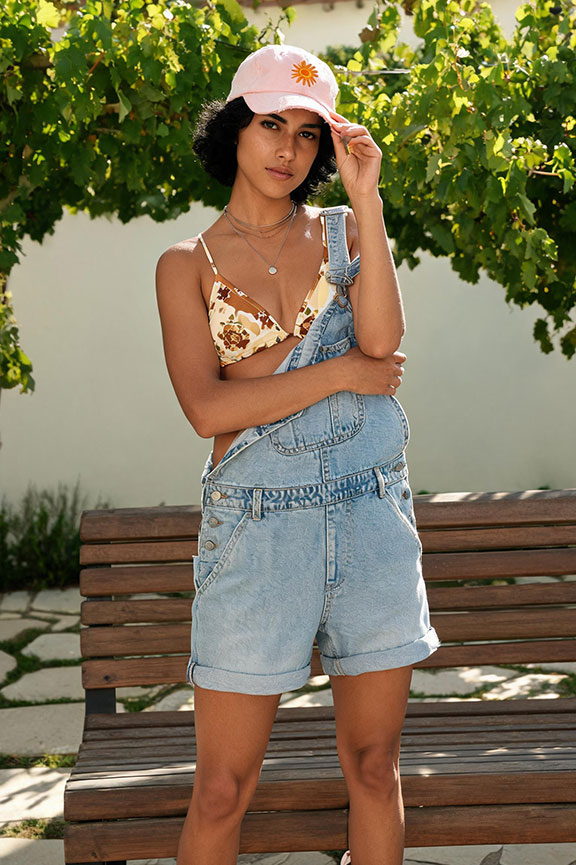
Small Hidden Details That Shape Comfort More Than You Think
Most discomfort doesn’t come from the main outfit, but from small friction points that accumulate over time.

A slightly loose strap, damp fabric that never fully resets, sunglasses that don’t stay secure, or wet hair constantly touching the neck can feel minor individually. But after hours of repetition, they gradually reduce comfort and increase mental fatigue.
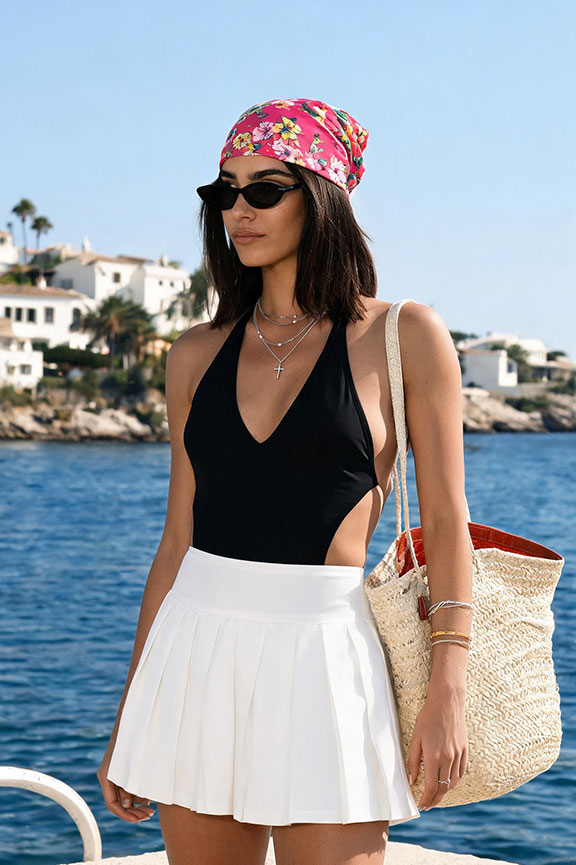
Another overlooked factor is recovery time. If your outfit takes too long to feel comfortable again after getting wet, every cycle of water → dry → water feels incomplete. Over time, that creates a background sense of irritation you can’t easily name.
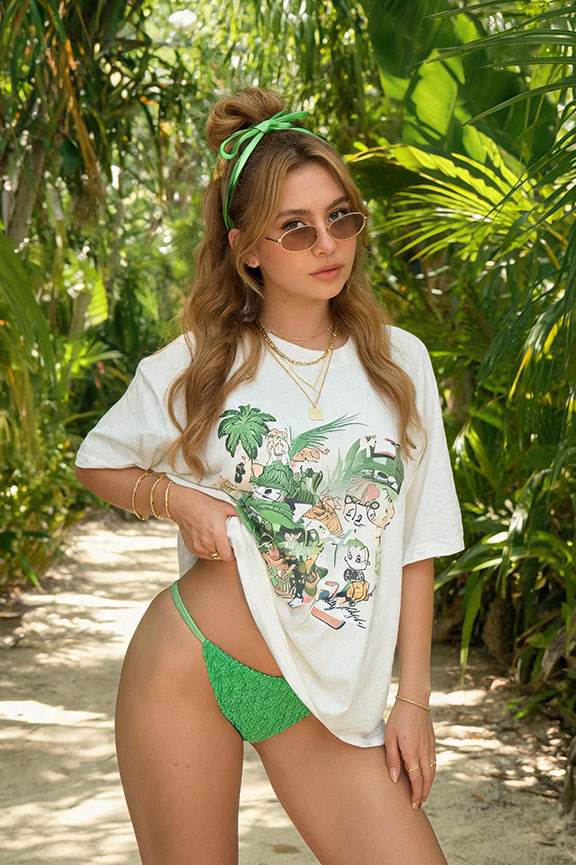
The best swimwear removes these micro-decisions entirely, so you don’t need to think about adjustments at all.
Cover-Ups Make All the In-Between Moments Easier
Most of your time at a water park is spent outside rides—walking, waiting, eating, or resting.
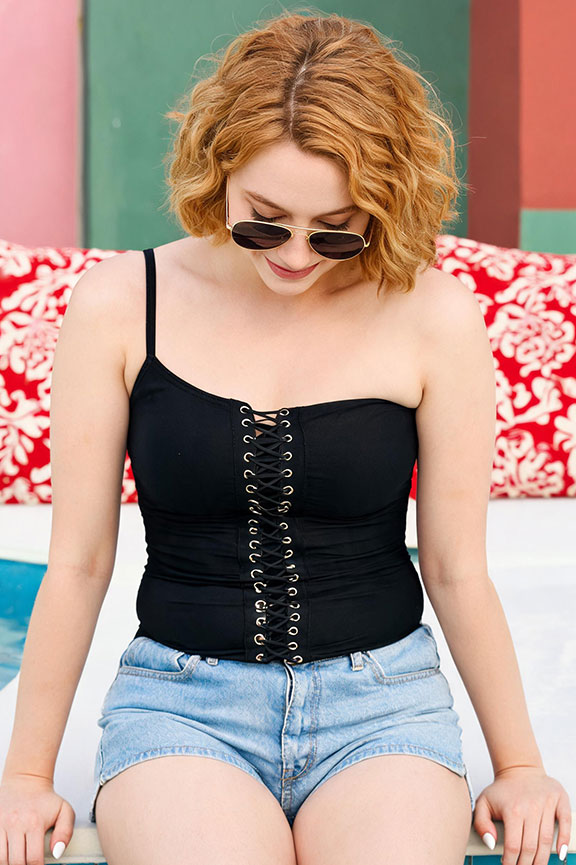
At this stage, damp swimwear can start to feel slightly uncomfortable under heat and wind. Cover-ups solve this by smoothing the transition between wet and dry environments.
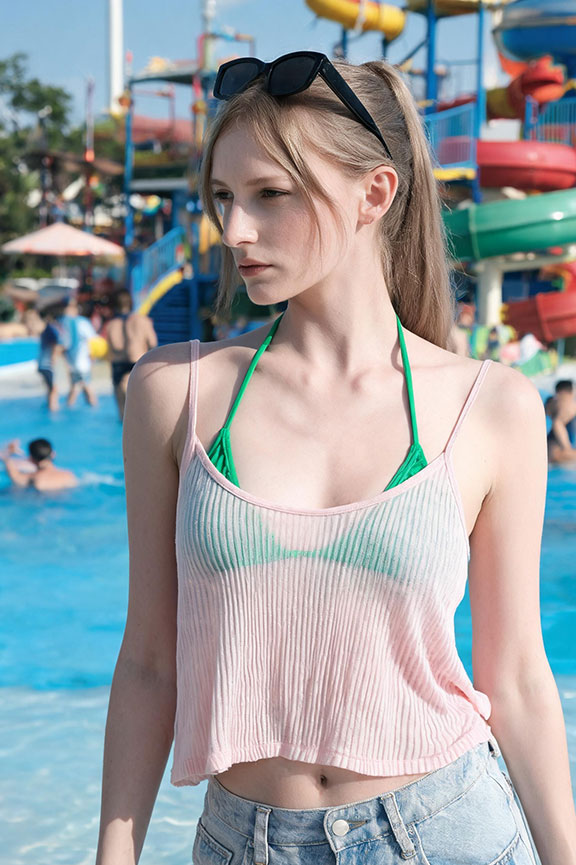
Oversized shirts, mesh dresses, or tank-and-short sets are not about styling—they are practical layers that reduce discomfort during downtime and make movement between zones feel more natural.
Why Simple Outfits Usually Work Best by Closing Time
A clear pattern appears after a full day: simpler swimwear requires less attention.
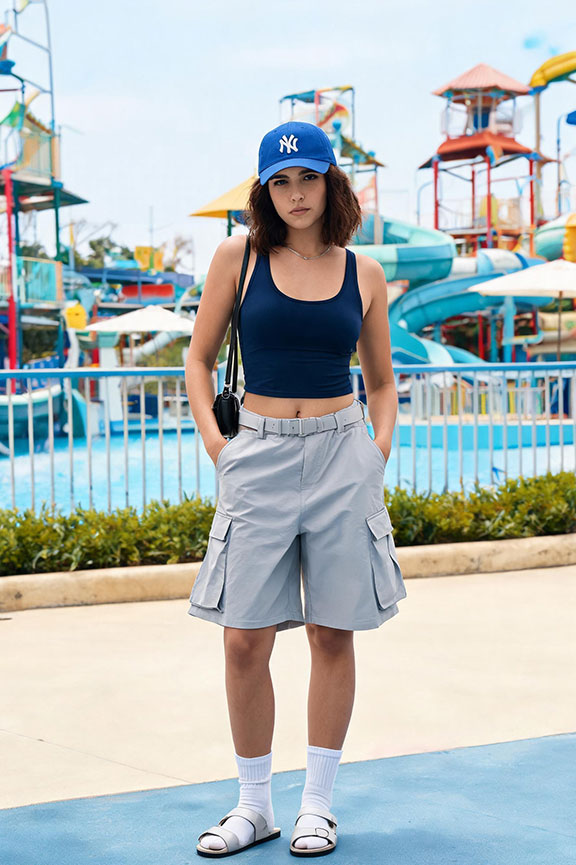
Complex straps, layered designs, or decorative details often reveal small issues after repeated wetting and movement—slipping, slow drying, or constant readjustment.
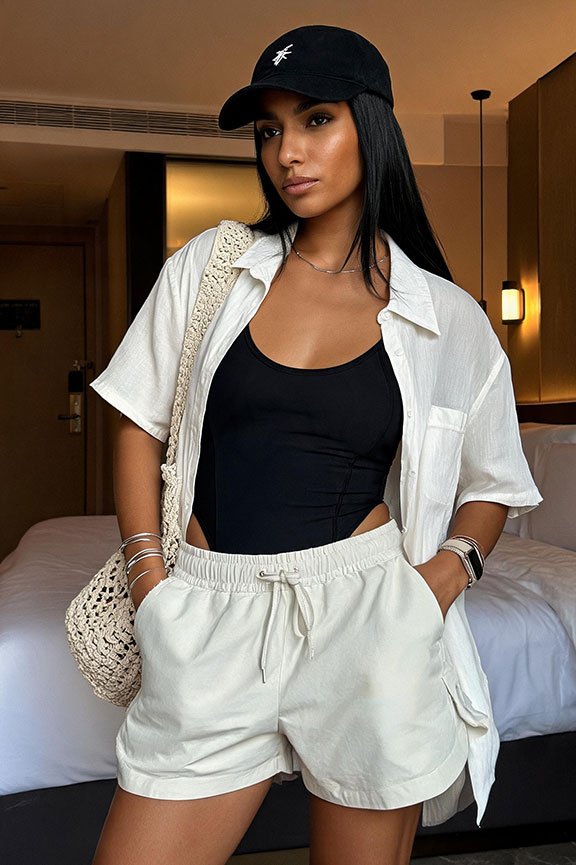
Minimal, streamlined outfits fade into the background. When you stop noticing what you’re wearing, the outfit is doing its job correctly.
Conclusion
At the end of the day, water park outfits have little to do with aesthetics. What matters is how easily you move through heat, water, crowds, and constant transitions.
The best choices are always simple: fast-drying fabrics, secure fits, and low-maintenance designs that don’t require attention once the day begins.
When your outfit disappears into the background, you’re free to fully enjoy slides, pools, and lazy rivers without distraction. In a space built around water and movement, that quiet, unnoticeable comfort is what defines a truly good day.