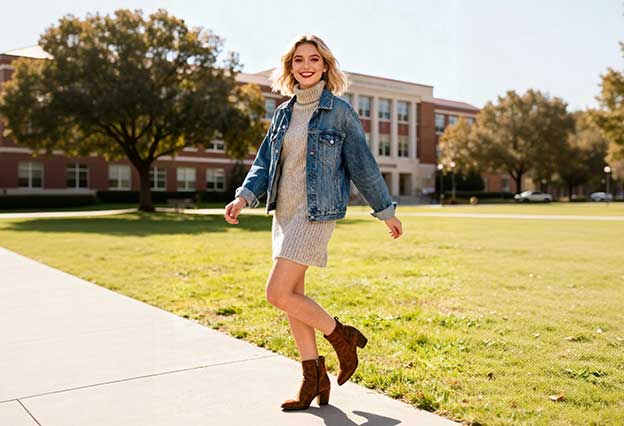
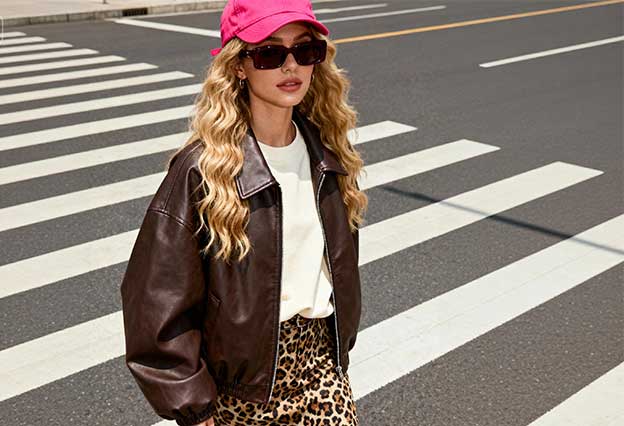
Summer country outfits often look effortlessly put-together from the outside, but that easy vibe comes from adapting to an unpredictable rural schedule.

Out in small towns, farmland and open-air festivals, conditions never stay steady. Mornings stay cool and calm, with soft sunlight sweeping over fields and damp grass underfoot. There is a faint freshness in the air that makes everything feel light at first step, almost as if the day hasn’t fully started yet.

By midday, the sun grows harsh, the ground soaks up heat, and thick warm air slows every step. Even standing still for a few minutes begins to feel different on the skin. Later in the afternoon, wind picks up across country lanes, dust drifts off dirt roads, and temperatures ease into mild, gentle warmth once more.
The biggest shift isn’t just the weather—it’s how your body reacts to it.

At first, everything feels neutral. You move without thinking about clothing at all. But after several hours outdoors, small things begin to surface: how fabric sits differently on warm skin, how straps feel slightly heavier on the shoulders, how even simple movement changes the way your outfit behaves.
There’s also a quiet fatigue that builds through the day—not obvious, but steady. And slowly, comfort starts to matter more than anything visual.
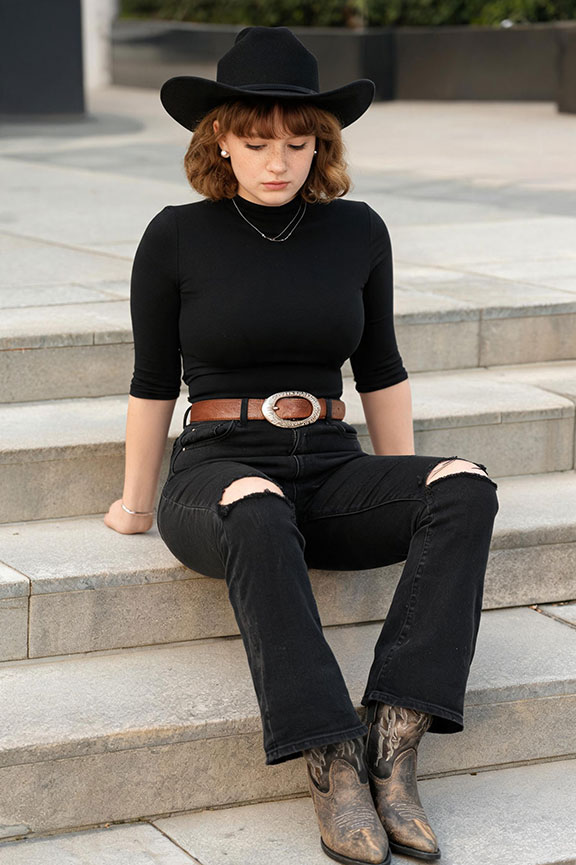
That’s why rural summer dressing is never about styling in the usual sense. It’s about staying comfortable, keeping pace with the environment, and moving freely through a day that keeps shifting.
The best outfits are often the ones you forget you’re wearing.
Why Country Dressing Feels Nothing Like City Dressing
In cities, we move between climate-controlled spaces.
You step out of air-conditioned rooms, walk briefly through heat, then enter another indoor environment. The temperature keeps resetting, and your body rarely stays in one condition long enough to fully adjust.
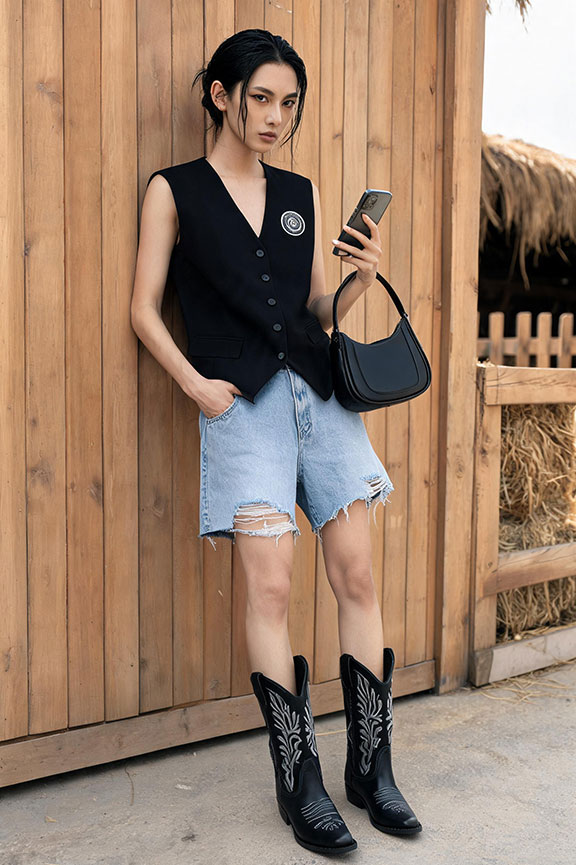
There is no reset button out in the countryside.
You remain exposed to the same outdoor atmosphere for hours on end. Grass that feels cool at sunrise gradually warms under the sun. You walk across uneven terrain that subtly changes how your feet land. You sit on rough ground, stand again, carry small items, and shift between shade and open light without any fixed rhythm.
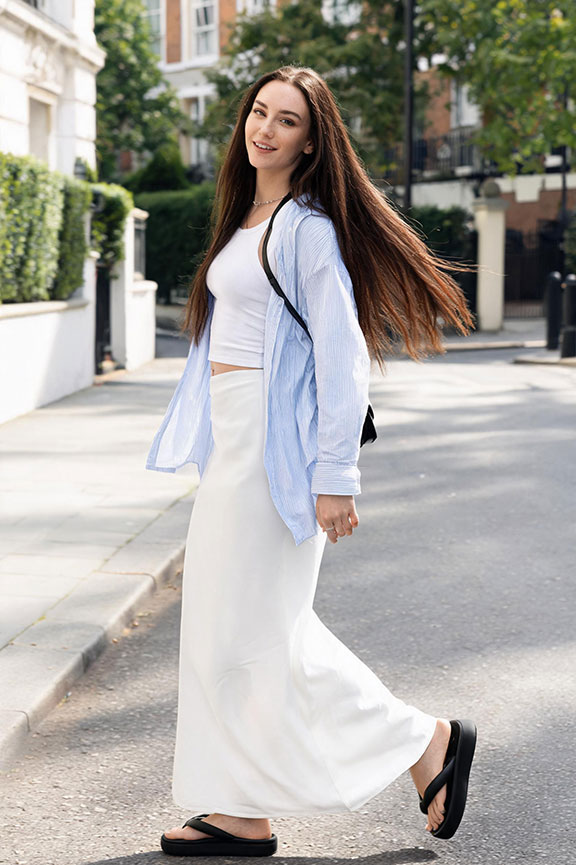
Even stillness feels different outdoors. Sitting in one place doesn’t feel like a pause—it feels like continued exposure. The sun keeps moving across your skin, and the environment keeps shifting around you.
Over time, awareness changes.
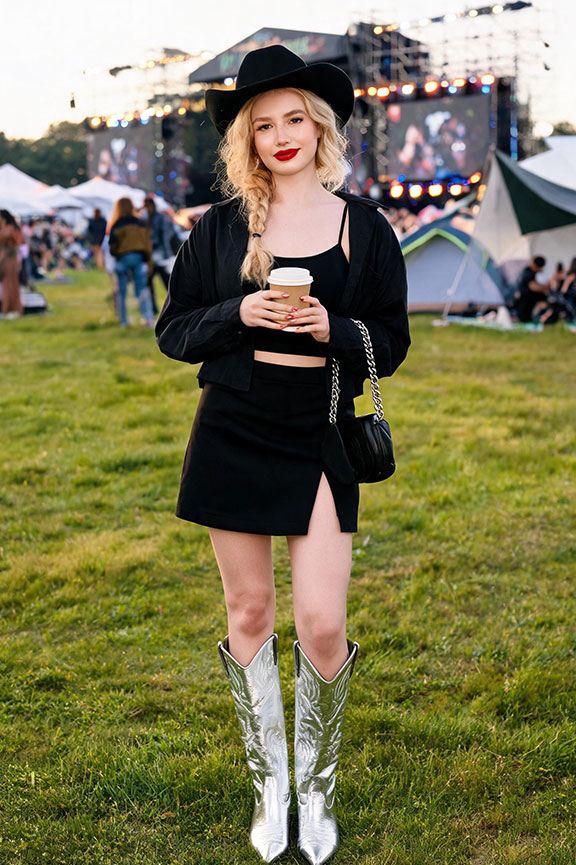
In cities, you notice your outfit. Out in the countryside, you eventually forget you are wearing it at all.
Micro-moments That Quietly Shape What You Wear
Long rural days are defined not by big plans, but by countless small moments that slowly test how clothing feels in motion.
Standing in line under full sun beside roadside stalls, warmth settles gradually across your shoulders. The fabric doesn’t feel heavy, but it becomes more noticeable as time passes. You shift your weight naturally, just to ease the pressure of heat.
It works because everything stays light, breathable, and unobtrusive through constant movement.
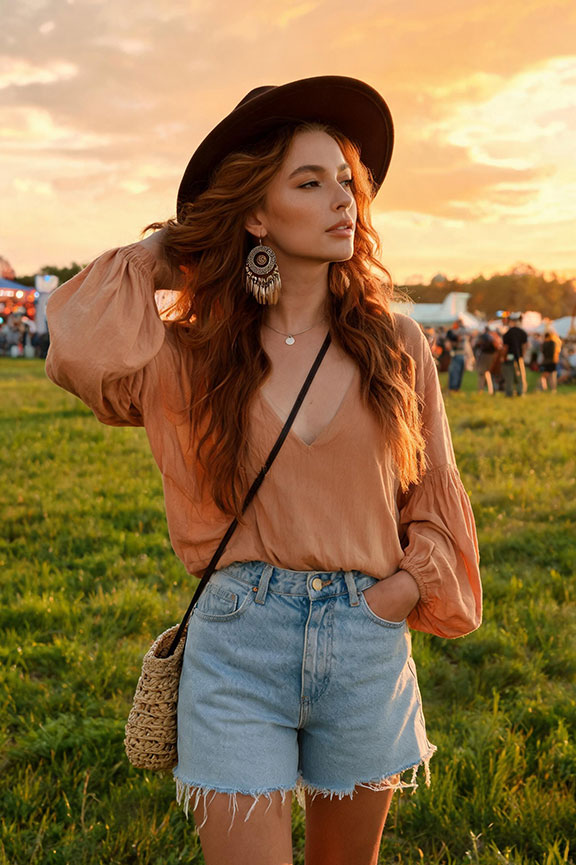
At late-morning market stalls, movement becomes more repetitive—reaching, bending, lifting bags under direct sunlight. Any stiffness in fabric starts to reveal itself through repetition rather than intensity.
It works because the silhouette stays stable even under repeated motion and sun exposure.
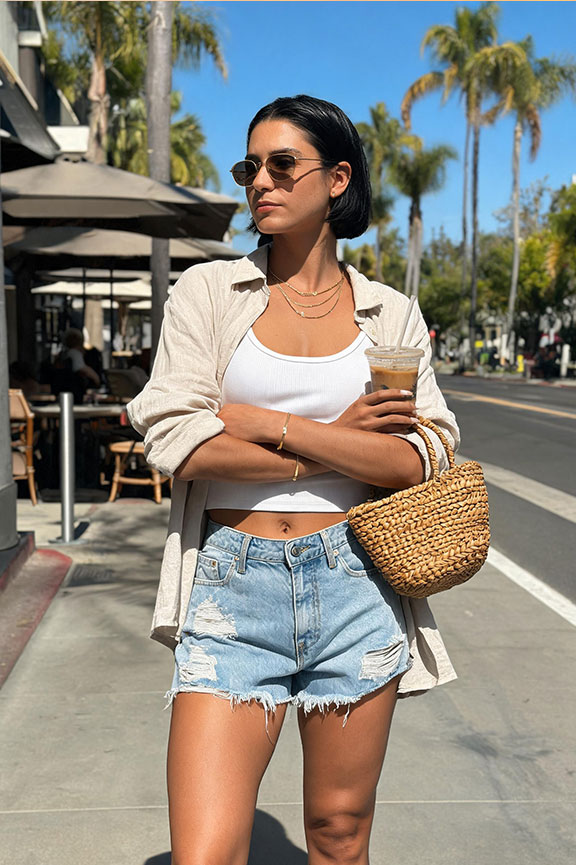
Walking back to the car adds another layer. Bags change how your posture settles. Straps press slightly into your shoulder, and waistbands become more noticeable simply because they are there for longer. Even shoes begin to feel different as gravel and uneven ground respond to each step.
It works because it adapts to shifting weight and uneven terrain without distraction.
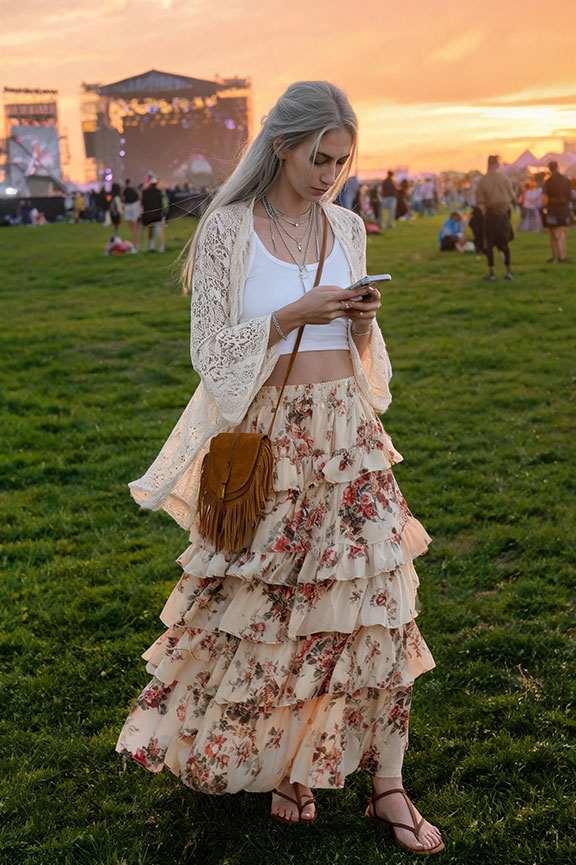
When you sit on wooden benches or rough stone edges, fabric behavior becomes more obvious. Some pieces fall naturally into place, while others crease slowly or cling slightly where skin has warmed.
It works because the fabric responds naturally to both movement and stillness without resistance.

And sometimes, nothing changes in what you are doing—but the environment does. A breeze moves across open fields, passing through loose layers and briefly cooling the skin before fading again.
It works because airflow becomes part of the outfit experience, not something the fabric fights against.

None of these moments matter alone. But together, they decide what feels wearable across an entire day outside.
A More Subtle Sense of Time Through the Day
A rural summer day doesn’t move in clear-cut blocks. It unfolds in softer shifts that are easier to feel than to define.
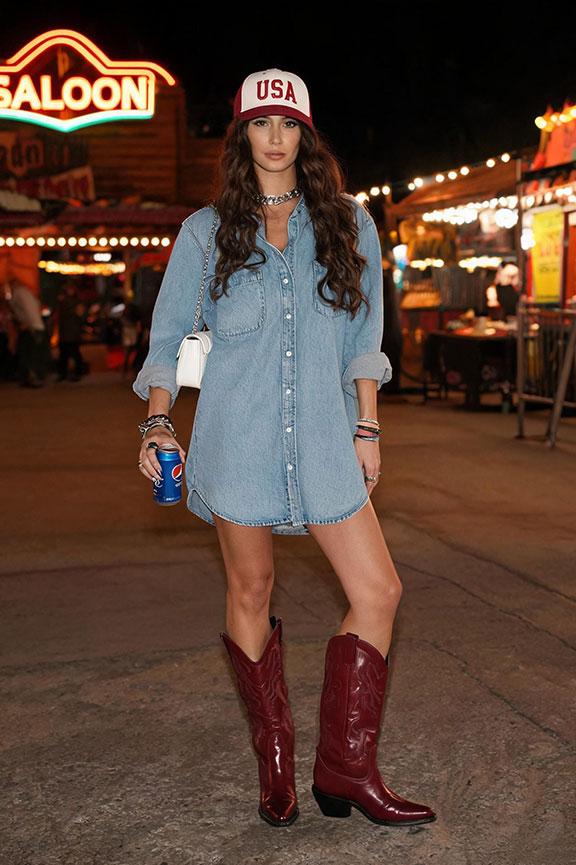
Early walks feel unclaimed, as if the day hasn’t fully settled yet. The air stays light against the skin, movement feels unstructured, and clothes remain barely noticeable simply because nothing has built up around them yet.
By late morning, sunlight becomes more direct. Heat settles slowly onto the body. Without thinking, sleeves get pushed up, and anything layered begins to feel more present.
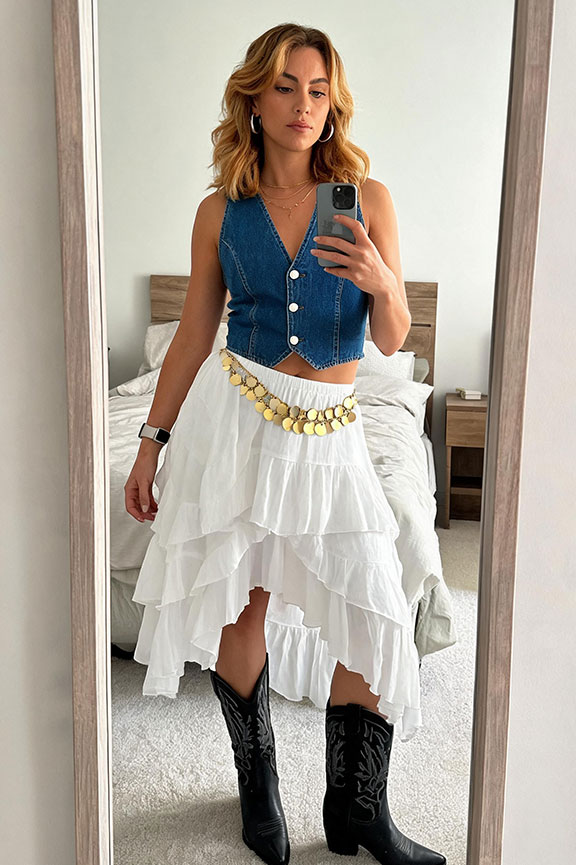
After lunch, movement naturally loses momentum. It’s not a sudden drop, but a soft easing. Steps slow down, pauses become longer, and clothing is judged less by appearance and more by how quietly it stays out of awareness.
As golden hour arrives, the entire landscape shifts. Light becomes lower and warmer, stretching across fields and small-town roads. Fabric starts to move more visibly in the breeze, not because it has changed, but because the environment has become more expressive.
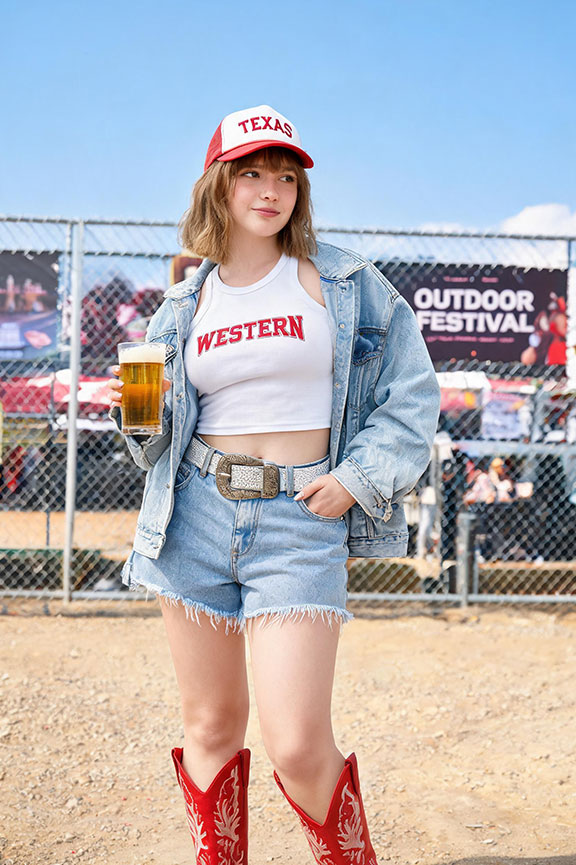
By sunset slow-down, everything settles. Heat fades from the ground, air cools, and movement becomes slower and more grounded. Clothes no longer feel like separate pieces—they simply belong to the rhythm of the day.
What You Naturally End Up Wearing
Most rural outfits are never carefully planned. They are repeated combinations shaped by experience—what has already worked through long outdoor days.
You choose them for practicality, not intention.
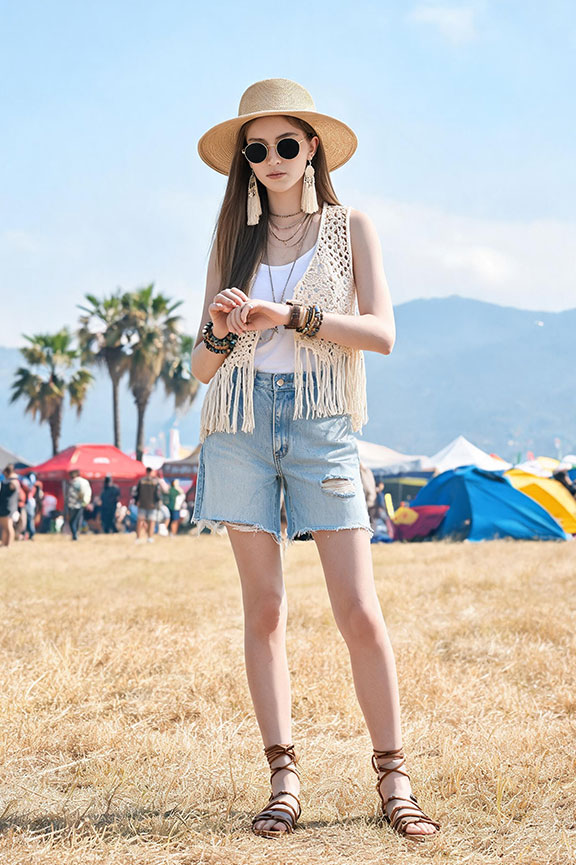
Early Morning Farm & Market Look
Denim shorts, a plain white tank top, plus an unbuttoned linen shirt.
This combination stays in the background of movement. You move through stalls, bend to look at produce, carry bags, and walk in early sunlight without ever needing to adjust anything.
It works because everything stays light, breathable, and unobtrusive through constant movement.
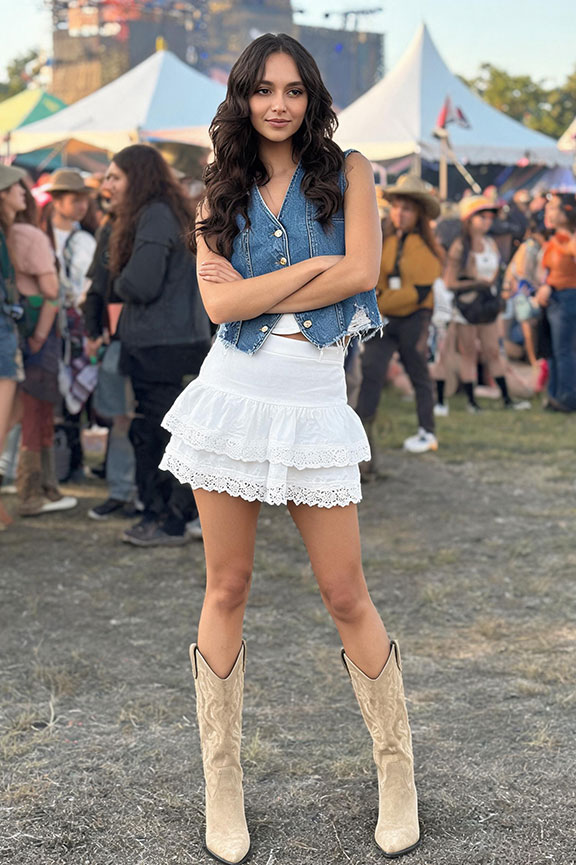
Late Afternoon Outdoor Gatherings
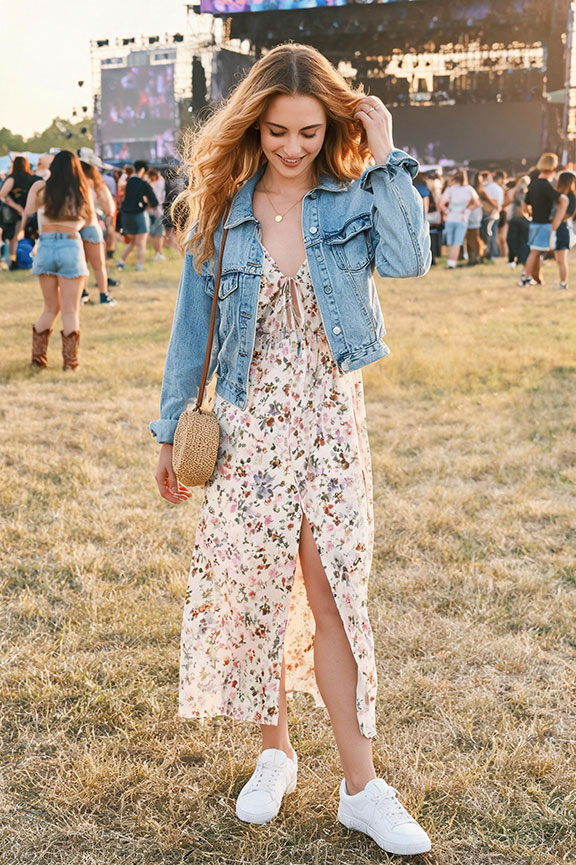
Loose floral midi dress paired with ankle boots.
As light softens, everything slows down. The dress moves gently with the wind, while boots provide stability on uneven grass and dirt paths.
It works because it balances softness in motion with grounded stability on uneven terrain.
Road Trips Between Small Towns
Relaxed-fit jeans, oversized tee, and a thin light layer.
Long sitting, short stops, and repeated movement in and out of cars all feel effortless. Nothing presses, nothing shifts in a distracting way.
It works because the silhouette stays consistent and comfortable across long periods of sitting and movement.

Picnics & Long Outdoor Rest
Cotton midi dress.
It becomes almost invisible during stillness. You can sit, lean back, or stretch without fabric pulling or clinging.
It works because the fabric responds naturally to rest without restricting posture changes.
Lazy Small-Town Afternoons
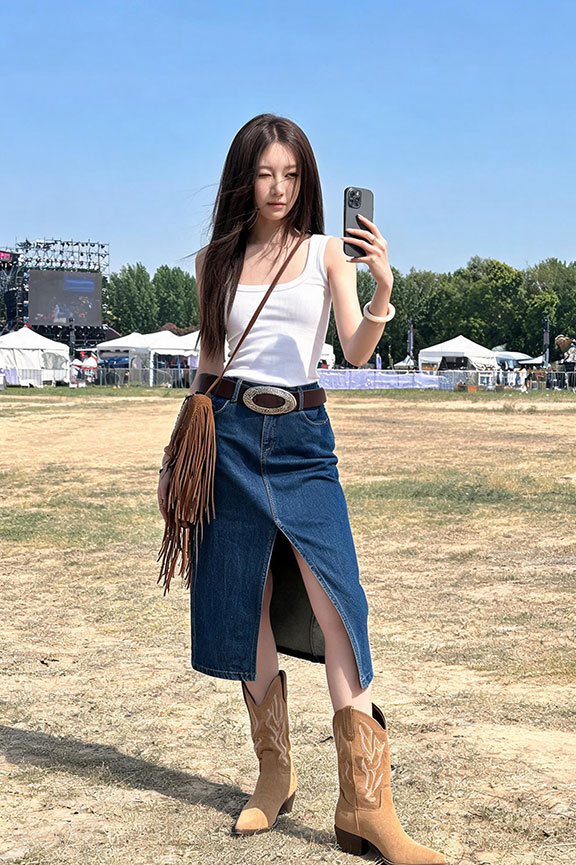
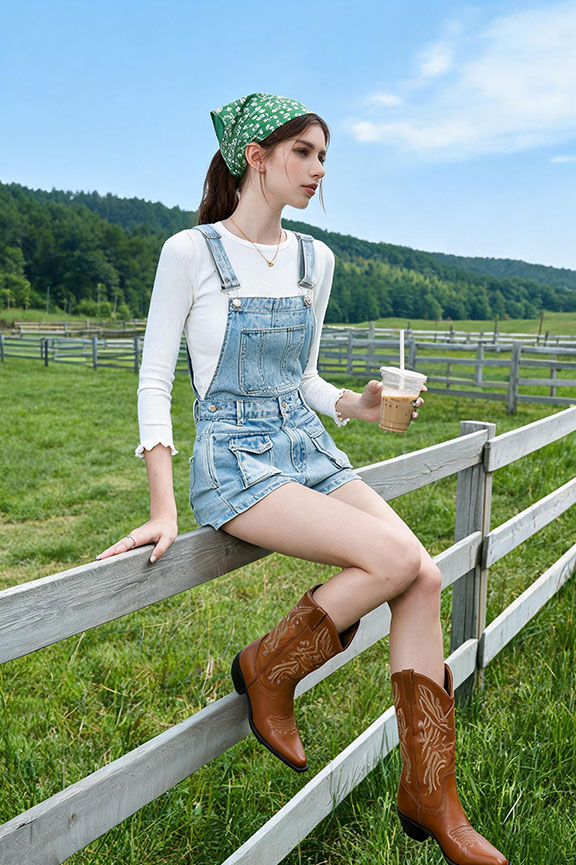
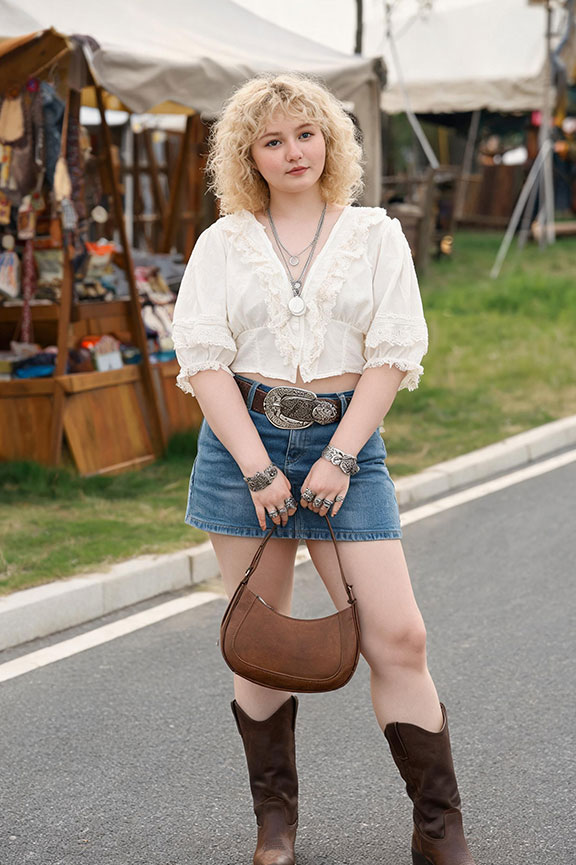
Linen blouse + denim skirt.
A quiet balance—structured enough to feel presentable, but relaxed enough for wandering without planning.
It works because it sits between structure and ease, making unplanned movement feel natural.
The Small Details That Quietly Matter
After spending hours outdoors, your focus drifts from full outfits down to tiny physical details.
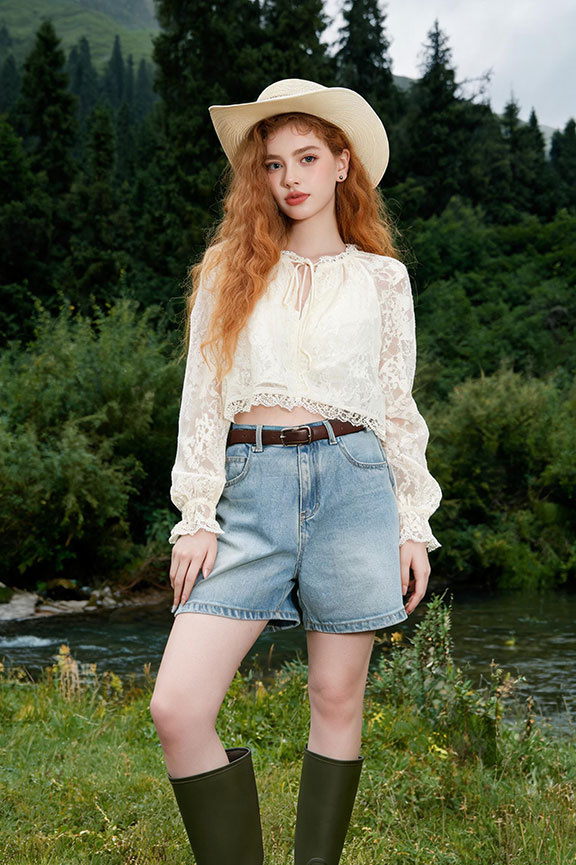
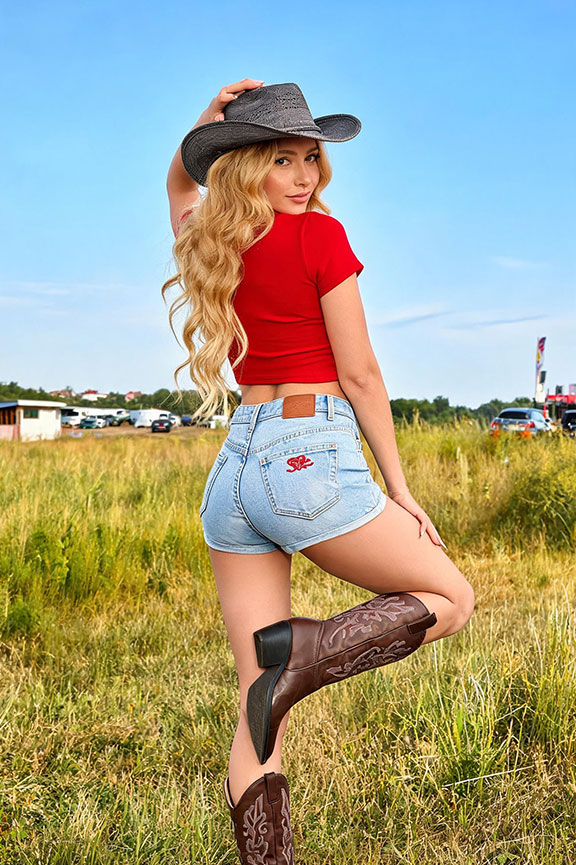
Footwear matters far more than expected. Grass, gravel, dirt and wooden trails create uneven ground. Sneakers support all-day walking. Sandals keep feet cool during rest time. Boots offer stability on rough, dusty paths.
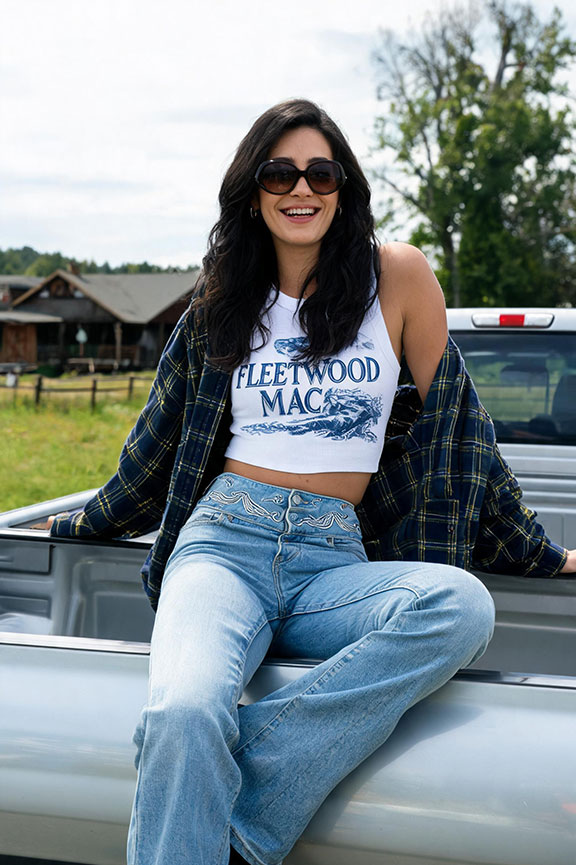
Cotton and linen prove their worth slowly. They circulate air freely, loosen gently in warmth, and gradually slip out of your conscious thoughts—the clearest sign of a well-chosen piece.
Muted shades work best under open sky: cream, beige, faded denim, soft sage green. They won’t glare under bright sunlight, dust blends naturally into the fabric, and golden-hour light keeps the tone soft and gentle.
These choices never feel deliberate in the moment, yet they turn a tiring hot country day into something effortless.
When Clothes Fade Into the Background
At some point on these rural days, clothing stops being something you actively notice.
You stop tugging hems, checking your reflection, or thinking about styling entirely.
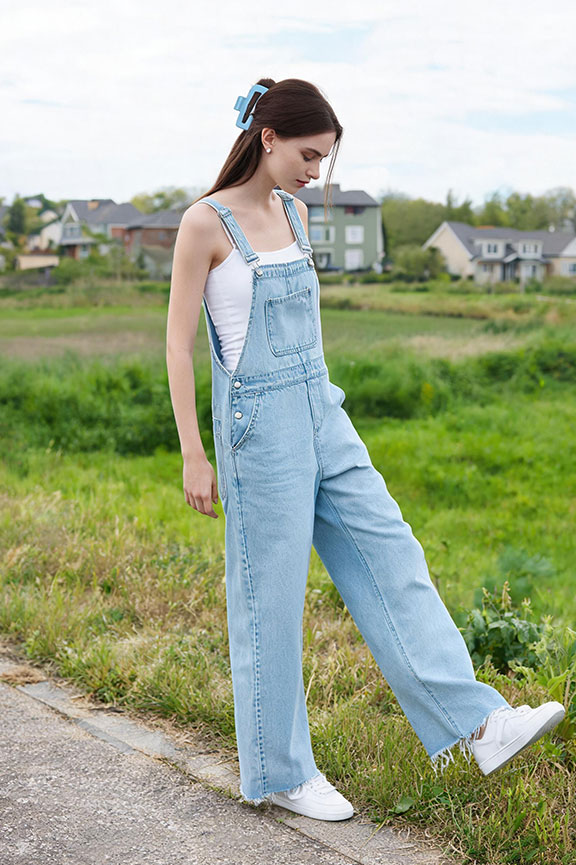
There is only movement—walking, pausing, sitting, continuing.
When clothes slip completely out of your mind, you know you have dressed correctly.
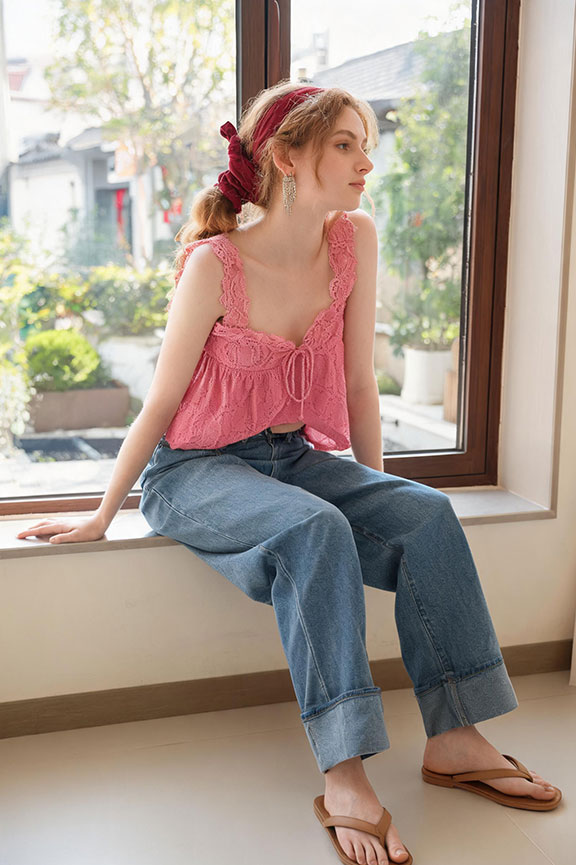
It doesn’t stand out; it just never gets in your way.
Conclusion
Summer country dressing isn’t about western aesthetics or styled rural looks.
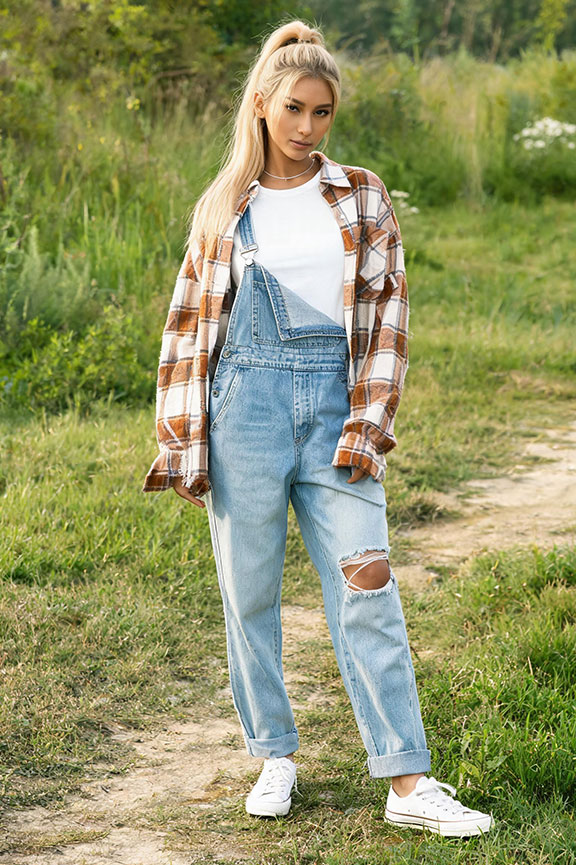
It’s about garments that keep pace with a shifting day, adapting naturally to sunshine, wind, walking and rest without demanding your attention.
If your outfit never breaks your rhythm, it has already done its job perfectly.