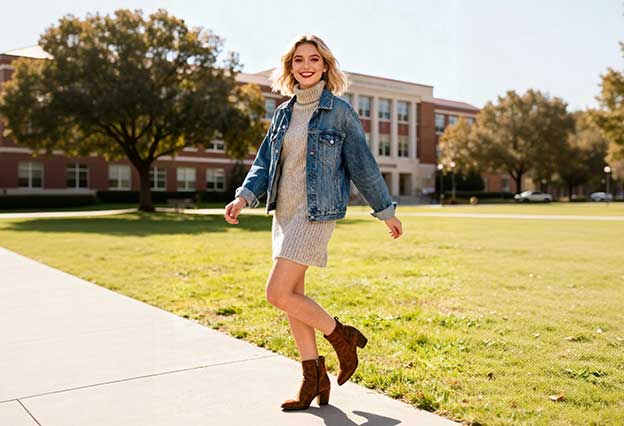
Summer college outfits always look far simpler than they actually are.
On paper, it’s just a tee, shorts, and sneakers. But campus days rarely stay in one steady temperature. One moment I’m sitting in an over-air-conditioned lecture hall, the next I’m walking along sunlit paths with a bag resting unevenly on one shoulder.

The shift is usually subtle at first. It only becomes noticeable halfway through the day, when something starts to feel slightly off without a clear reason.
Even the small in-between moments add up quietly—waiting outdoors before meetings, lingering in campus cafés, or sitting through seminars that run longer than expected. Discomfort doesn’t really arrive at once. It builds in those pauses.

It never really feels like one outfit problem. It feels more like a day that keeps shifting under your clothes.
Some outfits stay in the background all day. Others don’t.
And it’s usually the ones that feel the most “right” in the morning that start to feel a little off later on.
That difference is small, but it stays with you more than expected.
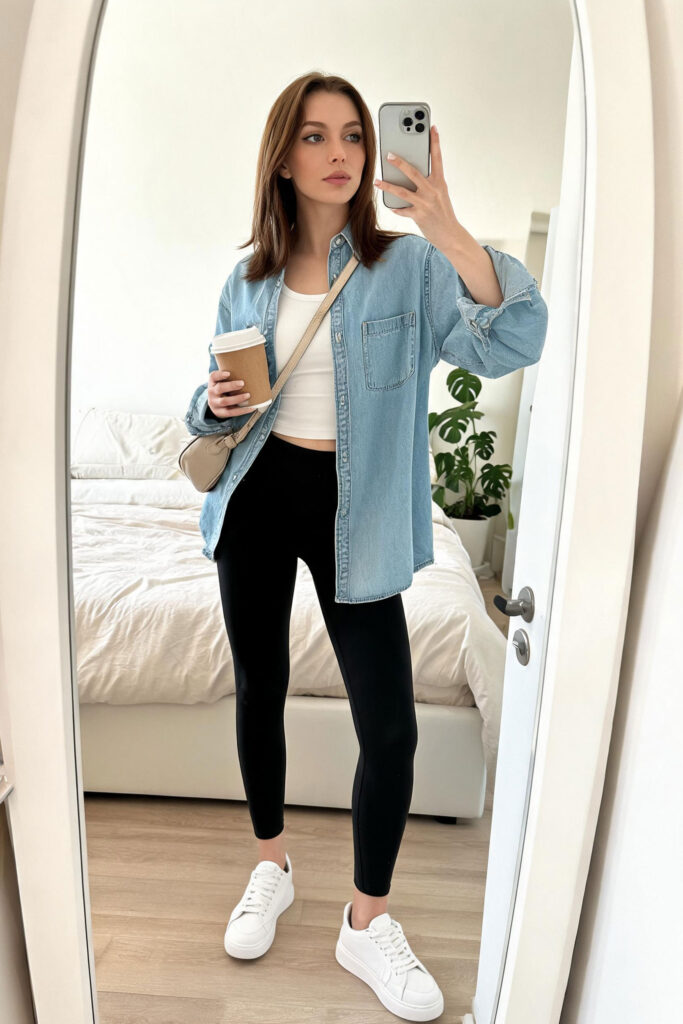
There are days I don’t really think about what I’m wearing until I get home. If nothing needed adjusting, that usually means it worked.
Why Summer Campus Dressing Feels More Complicated Than It Should
The challenge rarely feels like fashion itself. It’s the constant shift.
Campus life doesn’t stay in one environment for long. Cold seminar rooms, humid walkways, crowded corridors, and long stretches of sitting still all blend into the same day. Your body adjusts quickly, but clothing doesn’t always keep pace.

A light hoodie feels right in the morning, then suddenly unnecessary once you step outside. A sleeveless top works in the heat but feels slightly too bare indoors. Even simple shorts feel different depending on how long you’ve been sitting.
These changes don’t show up right away. They come in slowly, almost without notice.

Most outfits don’t fail because they look wrong. They fail because they only belong to one part of the day.
What Actually Goes Wrong on Campus
This is usually the part most outfit guides skip, but it’s where discomfort actually begins.
Shoulder straps sit in the same place for hours, and heat slowly builds underneath them. After walking across campus, even lightweight fabric can start to feel slightly less breathable than it did in the morning.

Temperature shifts happen constantly. You move from cold classrooms into warm outdoor air, and your body never really gets a moment to adjust. What felt fine earlier slowly becomes harder to ignore.
Long walking stretches change how clothes sit. Fabric that once felt smooth starts to cling or shift in small ways.
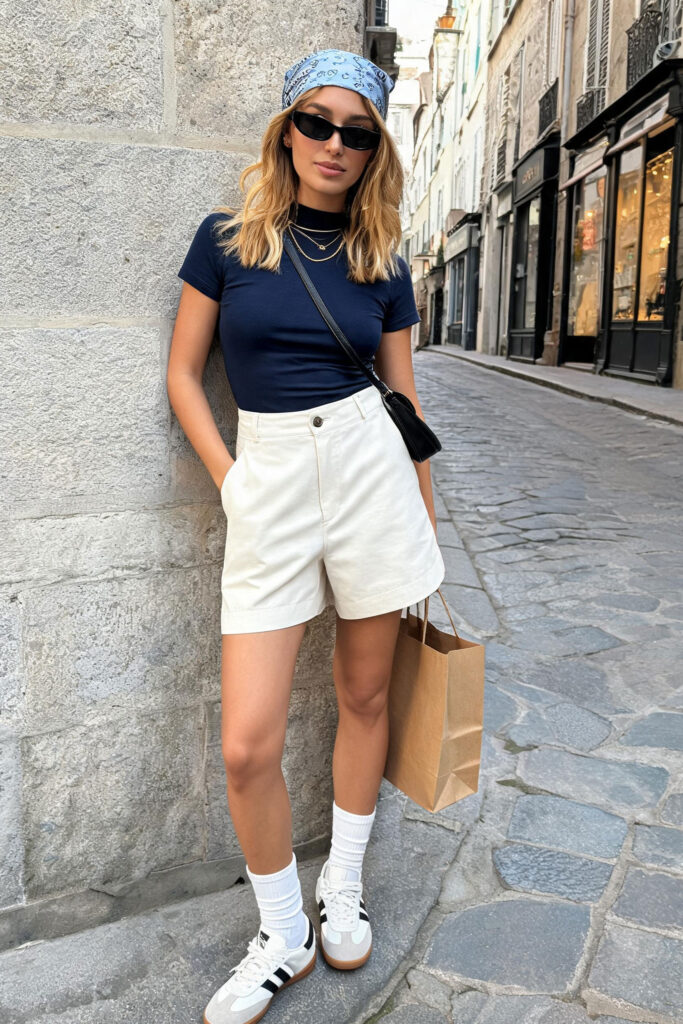
Extended sitting brings another shift too. Waistbands feel tighter, hems move slightly, and soft materials lose some of their ease after staying still for too long.
There’s also a quieter layer—small, repeated adjustments. Fixing sleeves, pulling fabric, readjusting straps. Nothing dramatic, but enough to pull your attention away without realizing it.
What Makes a Good Summer College Outfit
A good campus outfit doesn’t try to stand out. It just follows the day.
Fabric usually comes first. Lightweight cotton, soft jersey, and breathable blends hold up better through long hours because they don’t trap heat.
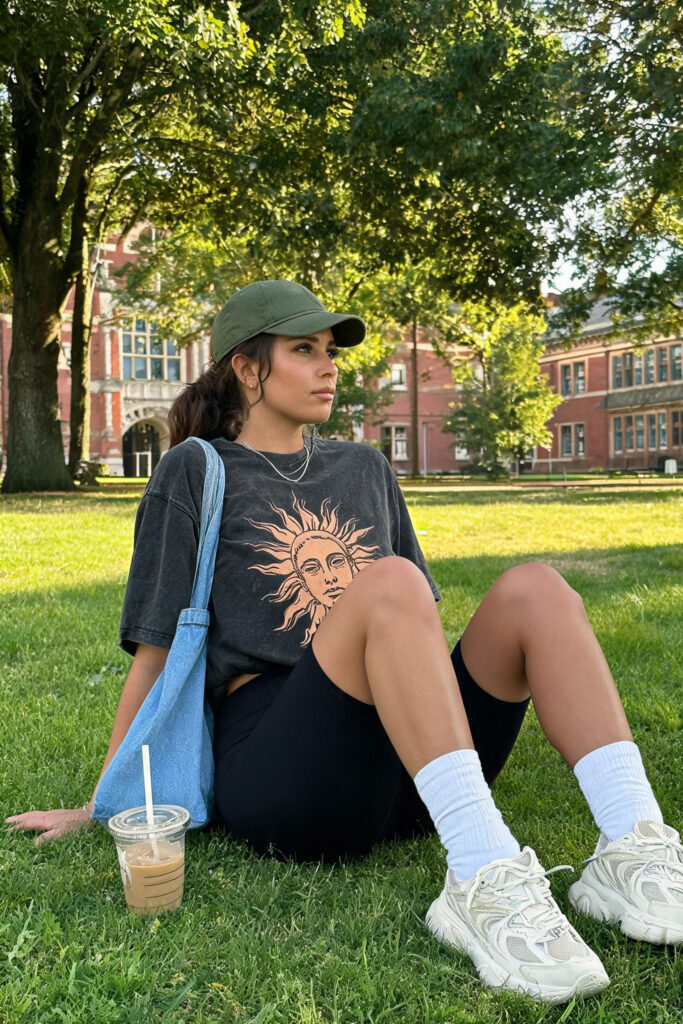
Fit changes how everything feels over time. Oversized pieces can feel easy at first, but heavier fabrics start to feel tiring after long walks. Slim fits stay neat but can feel restrictive during long sitting hours. The middle ground usually works best—relaxed, but still structured enough to hold shape.
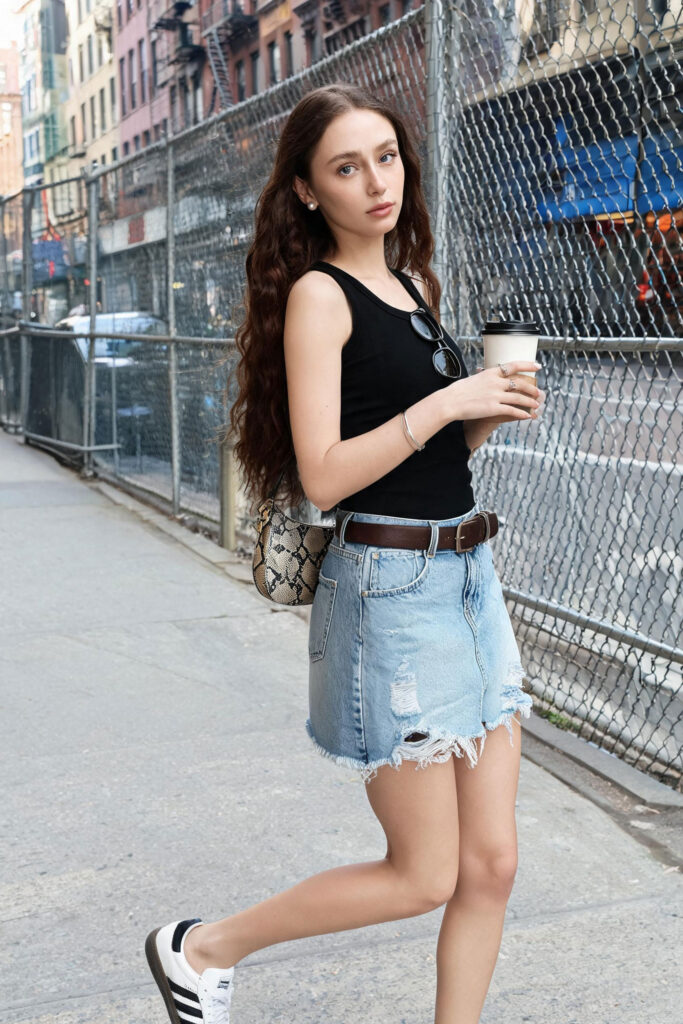
There’s a quieter idea that tends to stay true:
The best outfits are the ones you stop noticing.
When you keep adjusting clothes, something is already slightly off.
Most of the time, you only realize an outfit worked when the day is already over.
Core Summer Wardrobe Pieces
I stick to a small rotation of basics instead of constantly adding new pieces. What matters isn’t variety, but how each item fits into walking, sitting, and constant indoor-outdoor shifts.
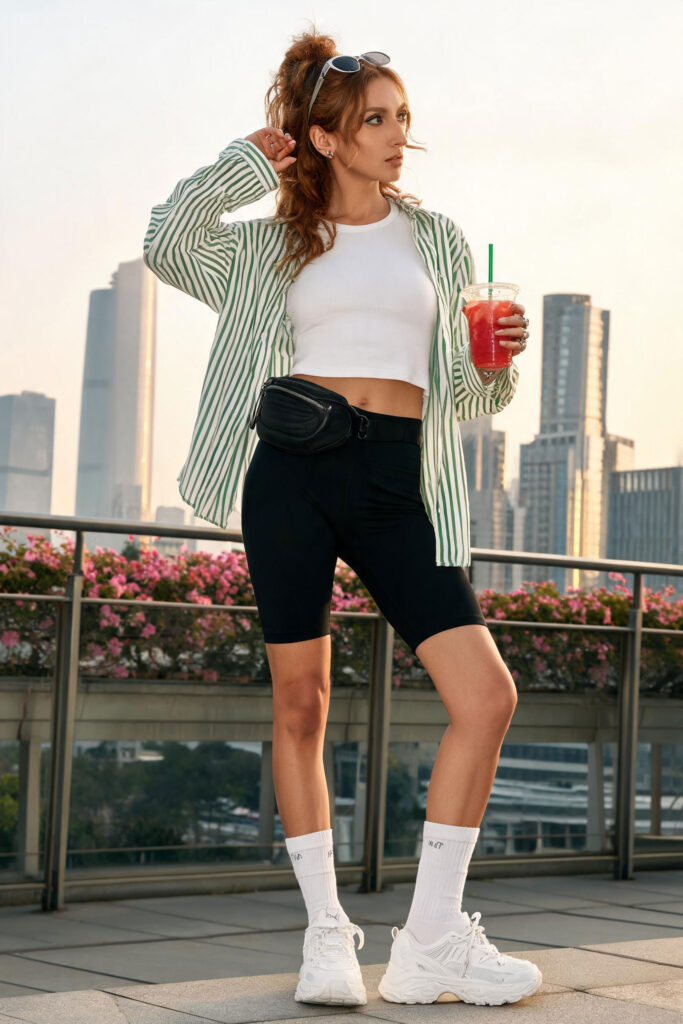
Lightweight Tees
The pieces I reach for most mornings without thinking. Neutral tones make repetition feel natural, not repetitive. Soft cotton or jersey keeps them comfortable through both movement and long indoor hours.

Tank Tops & Sleeveless Tees
Usually saved for the hottest days or longer outdoor walks. They keep things light when the heat builds, but work best with a thin layer indoors where AC can feel sharp.
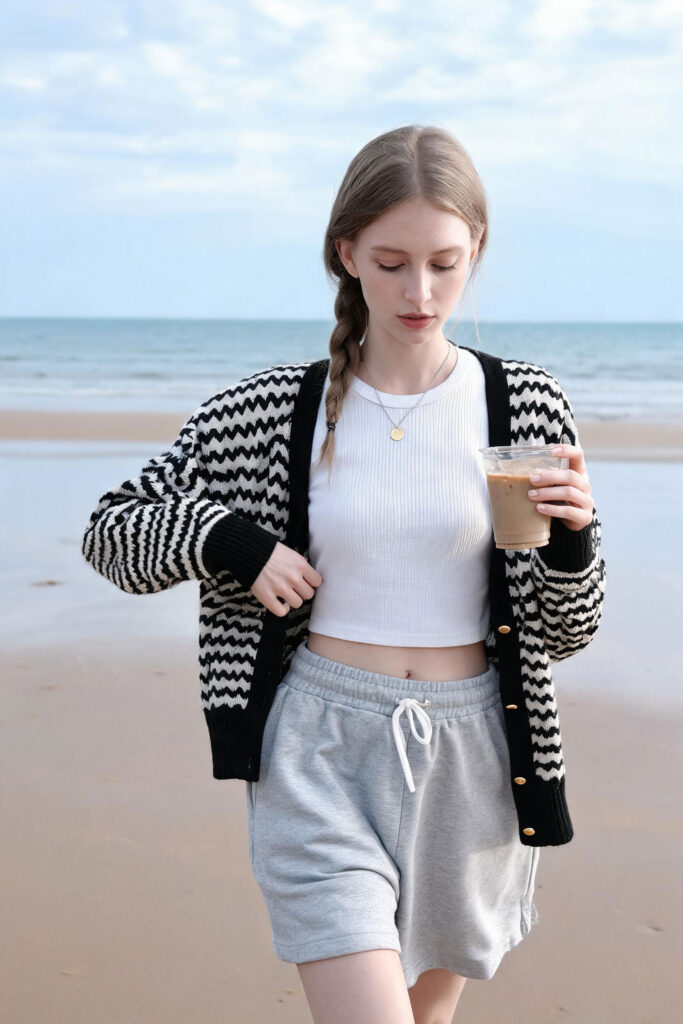
Denim Shorts & Casual Shorts
The easiest everyday option. Simple, unfussy, and comfortable enough for constant movement without needing adjustment.
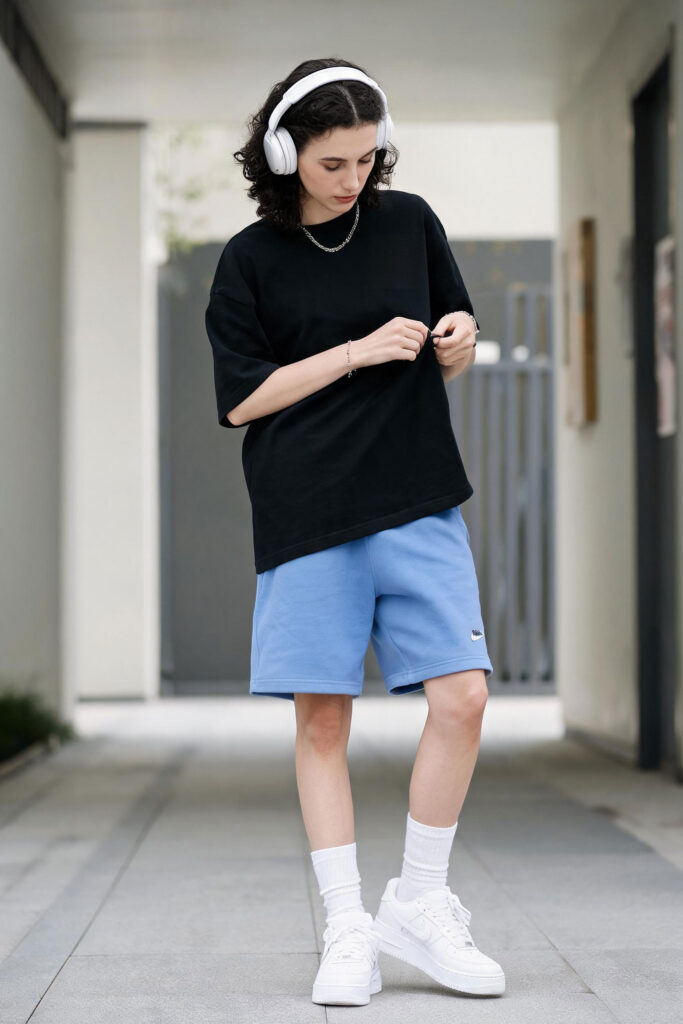
Lightweight Trousers
For days when indoor hours are longer or the AC feels stronger than expected. They add coverage without feeling heavy outside.
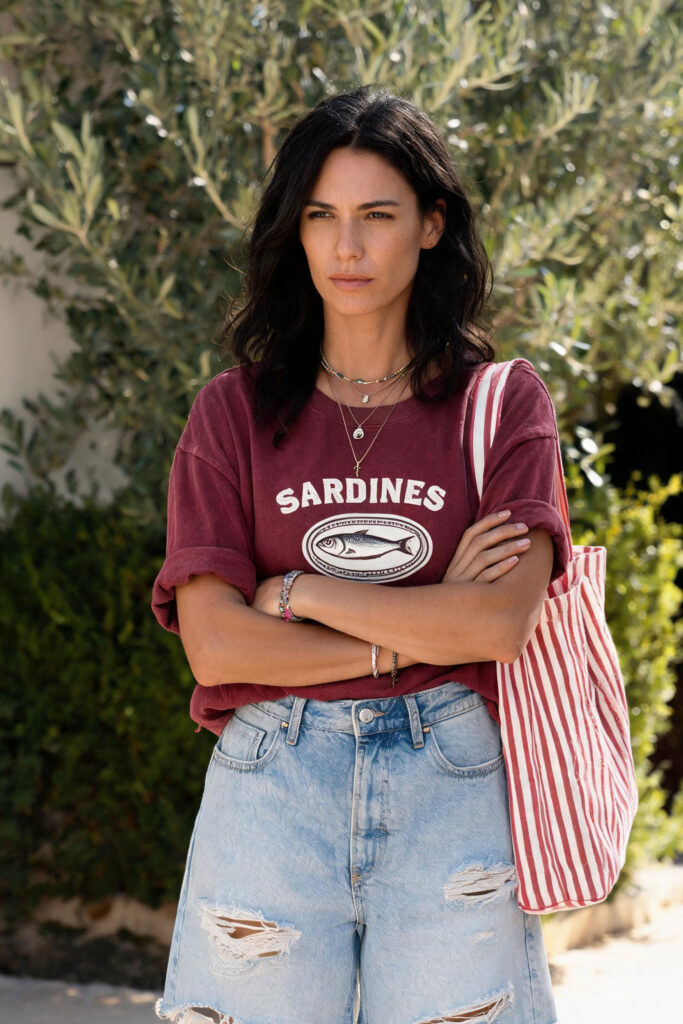
Sneakers
Probably the most important piece. Campus life means walking more than you expect, and comfort here quietly shapes the entire day.
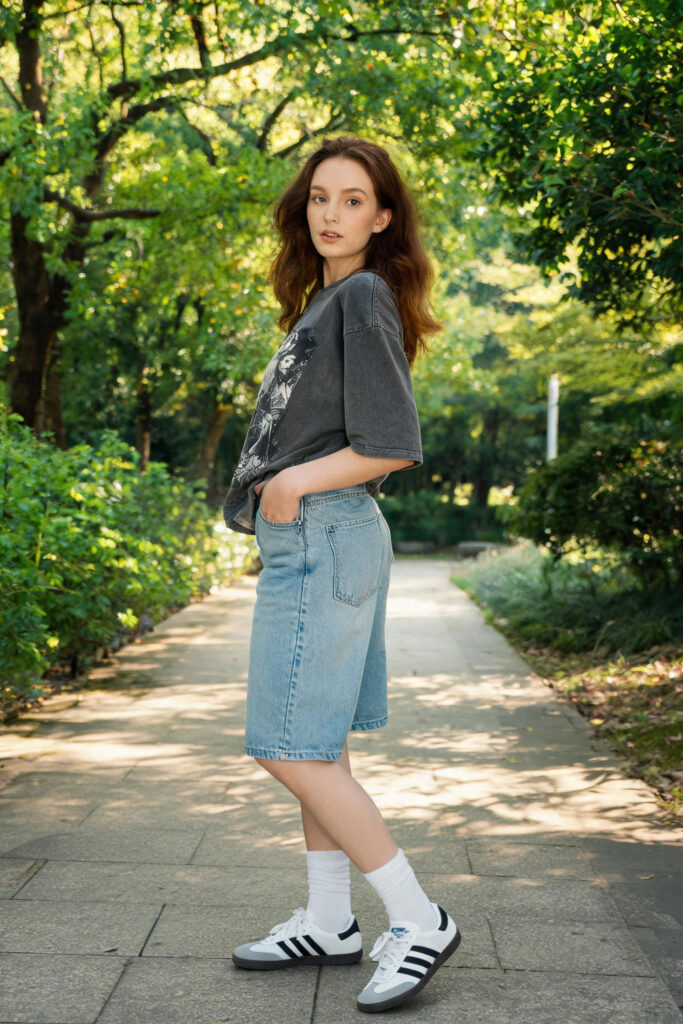
What I Actually Bring for Summer Days
Over time, it becomes less about individual outfits and more about a small rotation that quietly covers different kinds of days.
3–5 Tops in Rotation
A small set of lightweight tees in neutral tones. Enough variation to avoid repetition, but simple enough that I don’t think too much about it in the morning.
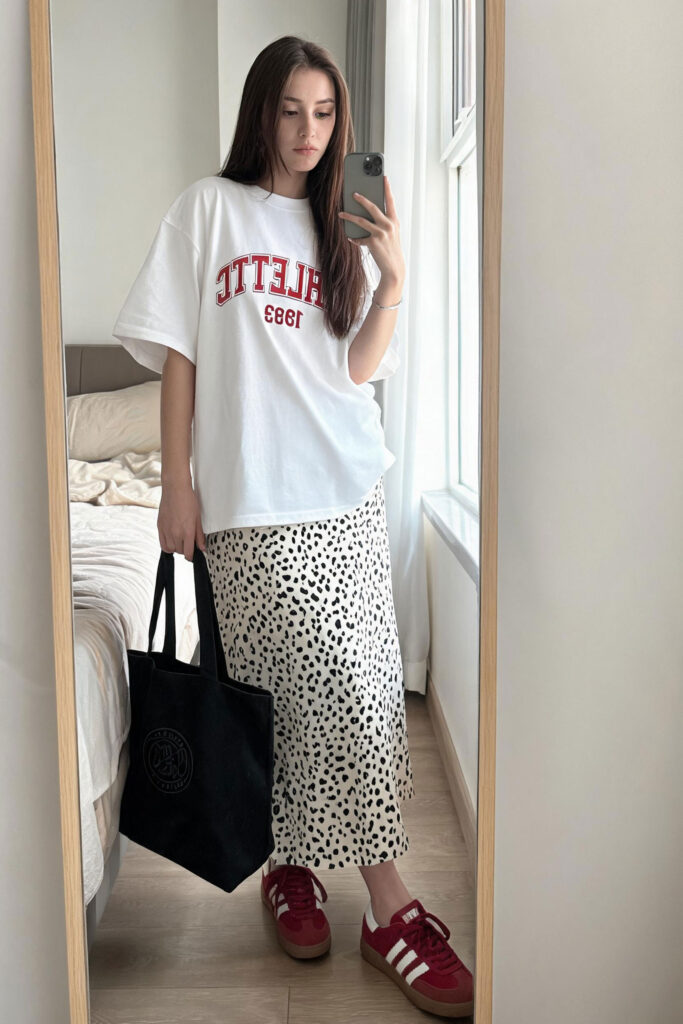
2 Shorts + 1 Trousers
Shorts handle most warm days. Trousers step in when the day shifts toward long indoor hours or colder rooms.
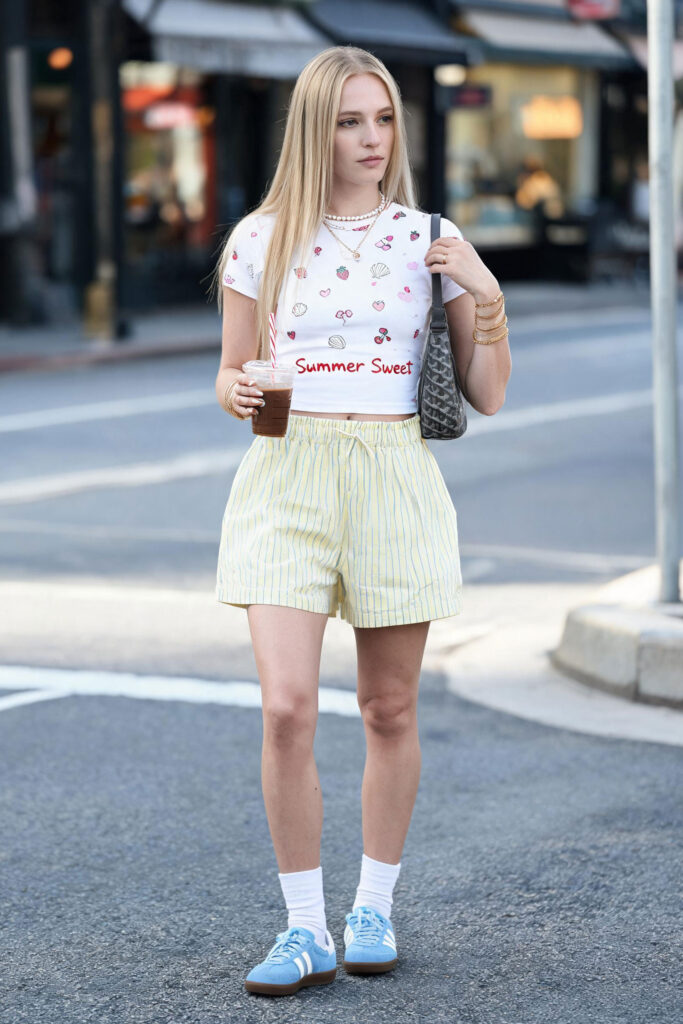
1 Light Layer (Shirt or Hoodie)
Indoor air-conditioning can feel unexpectedly strong. A light layer makes those transitions easier without changing the whole outfit.
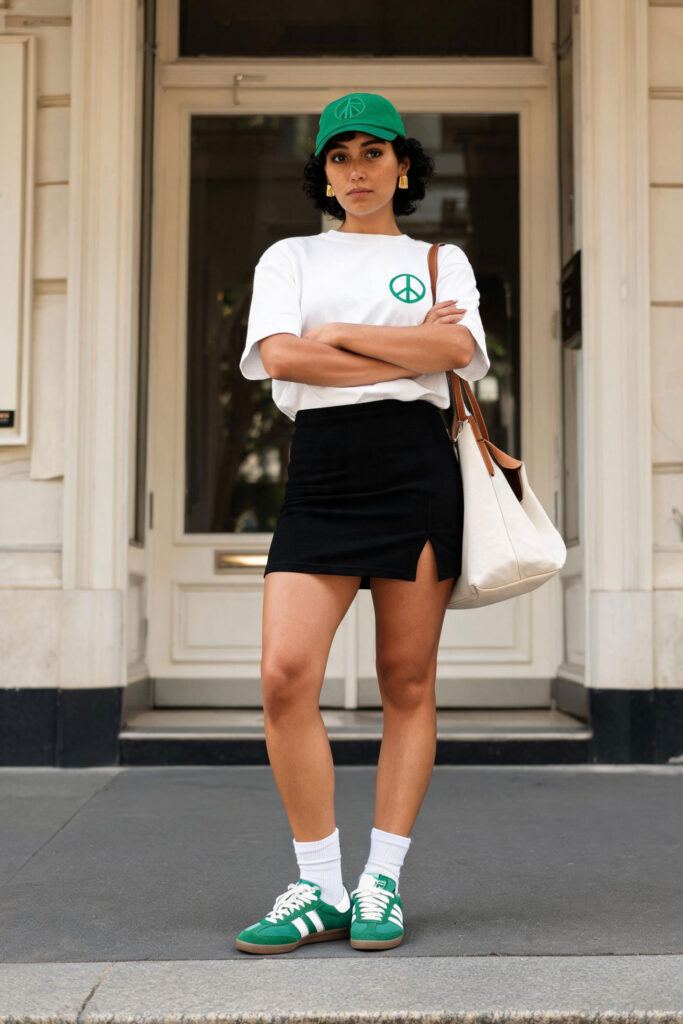
1 Backup Tee
Not something I always use, but useful when the day runs longer than expected.
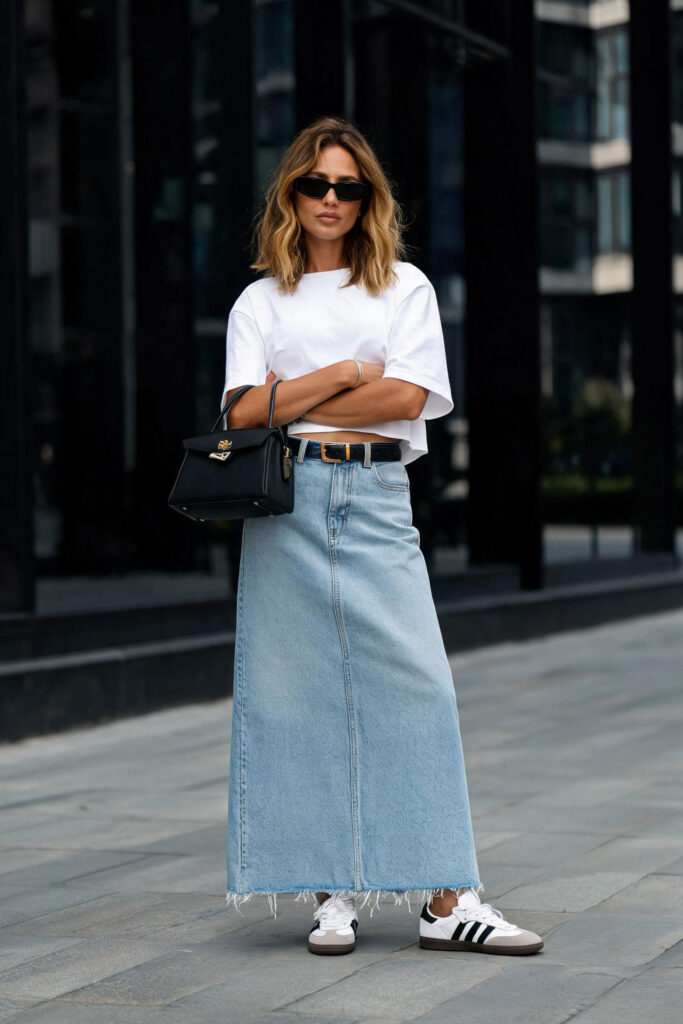
Basic Breathable Underwear & Socks
Not usually mentioned, but they quietly affect comfort more than expected during long movement-heavy days.
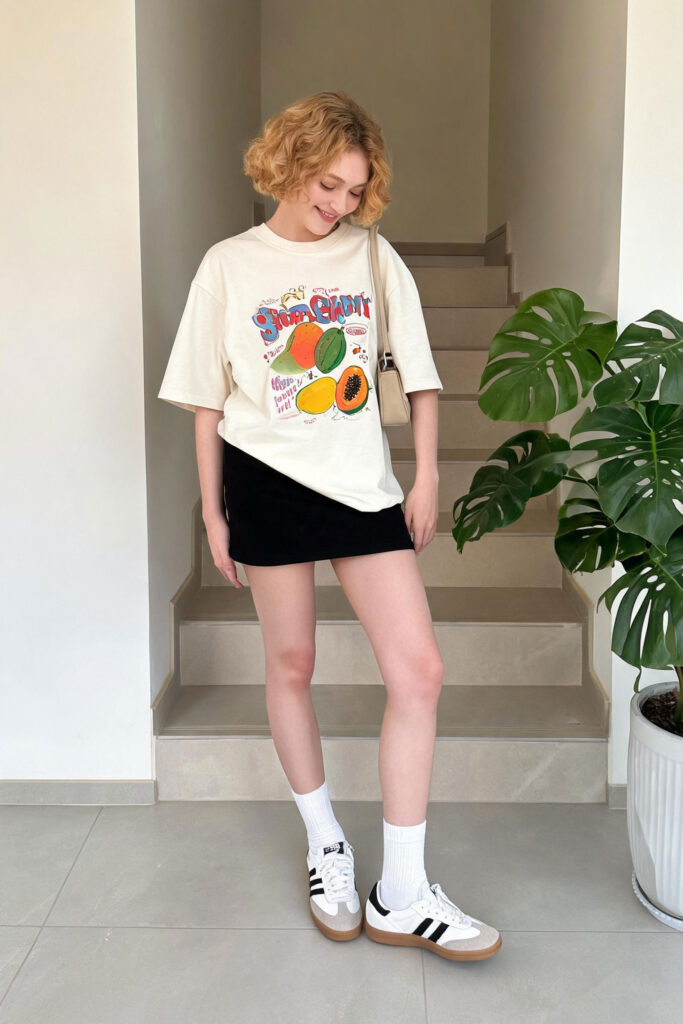
Bag Essentials
A water bottle is almost always with me. A cap and sunglasses help soften harsh outdoor light, especially during midday transitions.
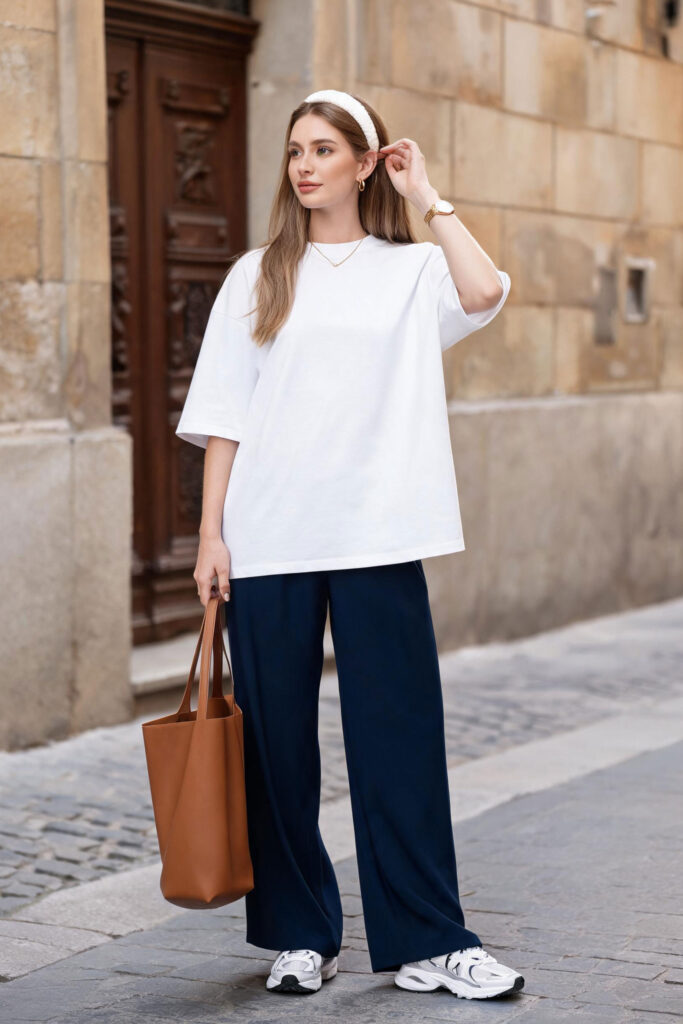
Common Summer Outfit Mistakes
Trying to prepare for every condition at once is usually where things start to feel heavy.
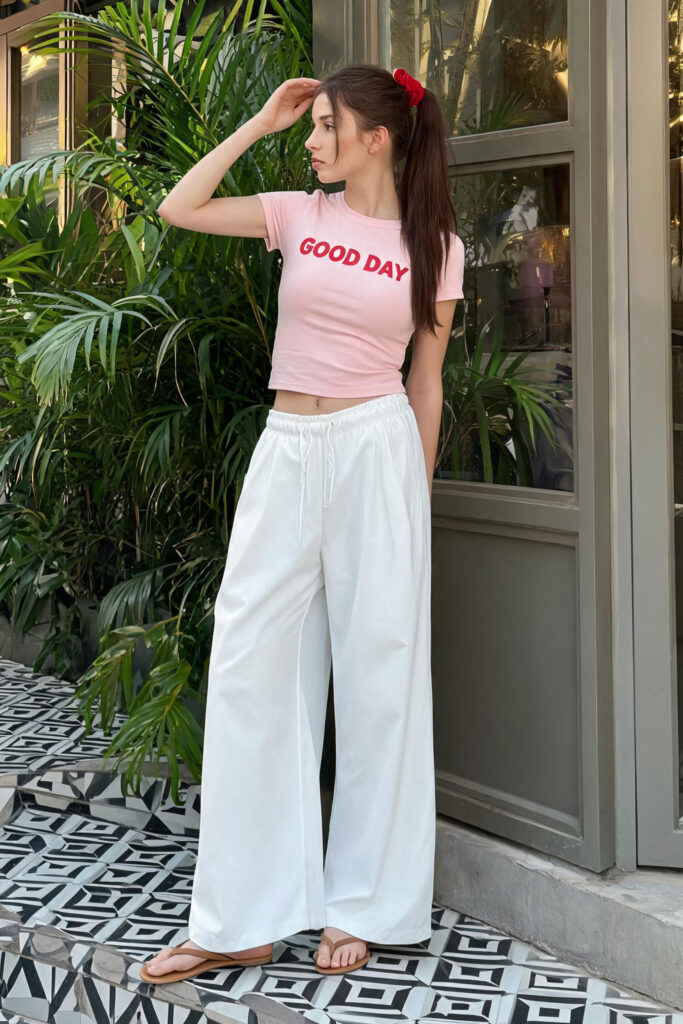
Layering too much sounds practical, but it becomes unnecessary once the day starts moving between different spaces.
Dressing for appearance instead of duration also leads to small discomforts later on. Something can look fine in the mirror but feel different after hours of wear.
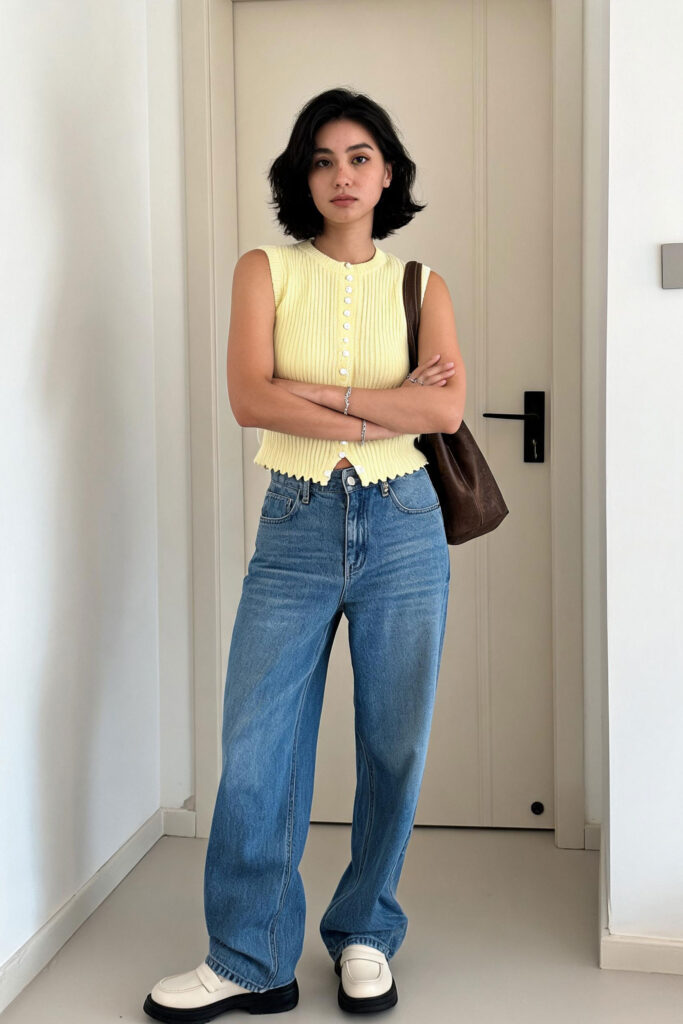
Footwear is often overlooked, even though it quietly shapes how tired you feel by the end of the day.
Small Details That Quietly Improve Everything
Comfort rarely comes from one item. It comes from small choices working together.
A well-fitted backpack helps spread weight more evenly over long walks.
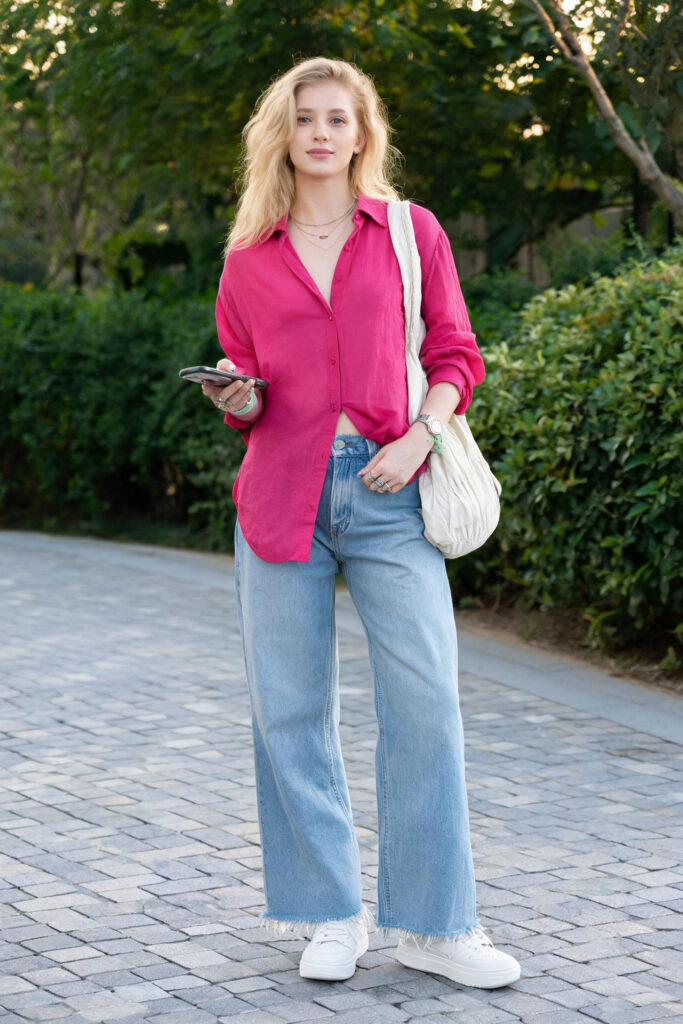
Caps and sunglasses don’t change the outfit, but they soften the shift between indoor and outdoor spaces.
Lighter color palettes feel easier on the eyes during long, warm days.
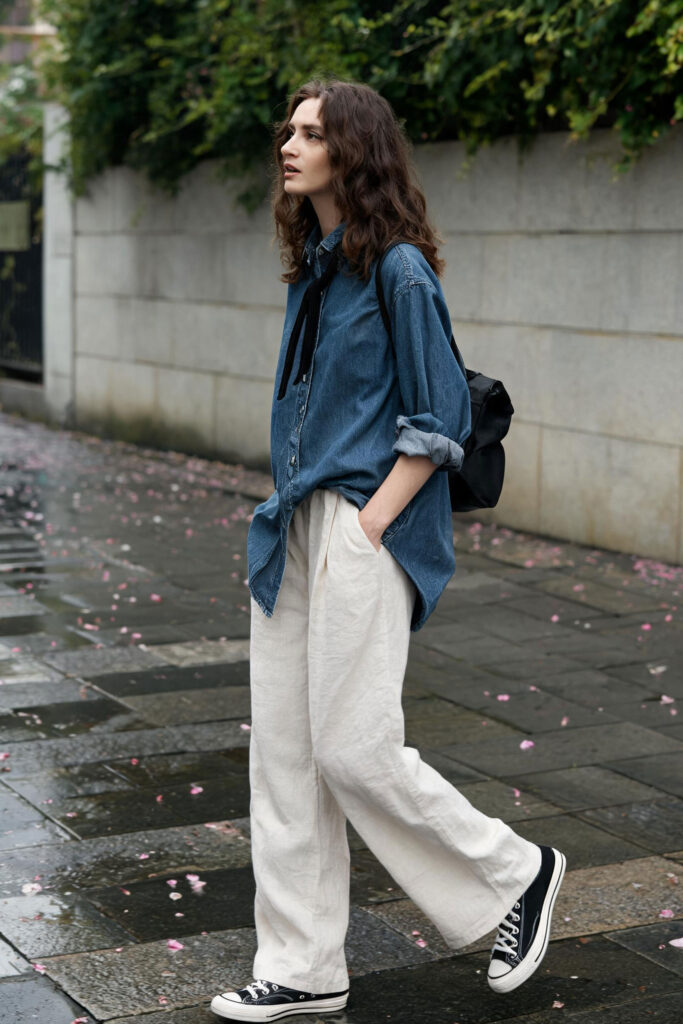
Even something as simple as sleeve length can reduce how often you adjust your clothes.
None of these feel important alone, but together they shape the day in a quiet way.
Conclusion
Summer college outfits don’t need to be complicated.
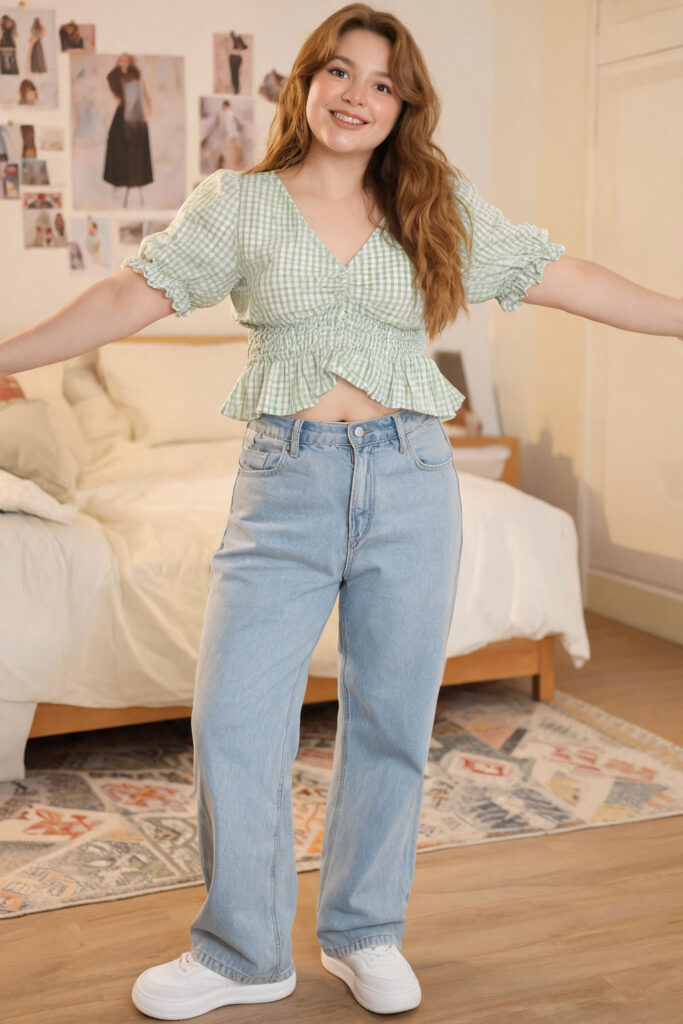
Most days follow a simple rhythm—moving between buildings, sitting through seminars, and shifting between heat and air conditioning.
Good clothing doesn’t interrupt that flow. It just stays with it.
Light, flexible, and easy to forget.
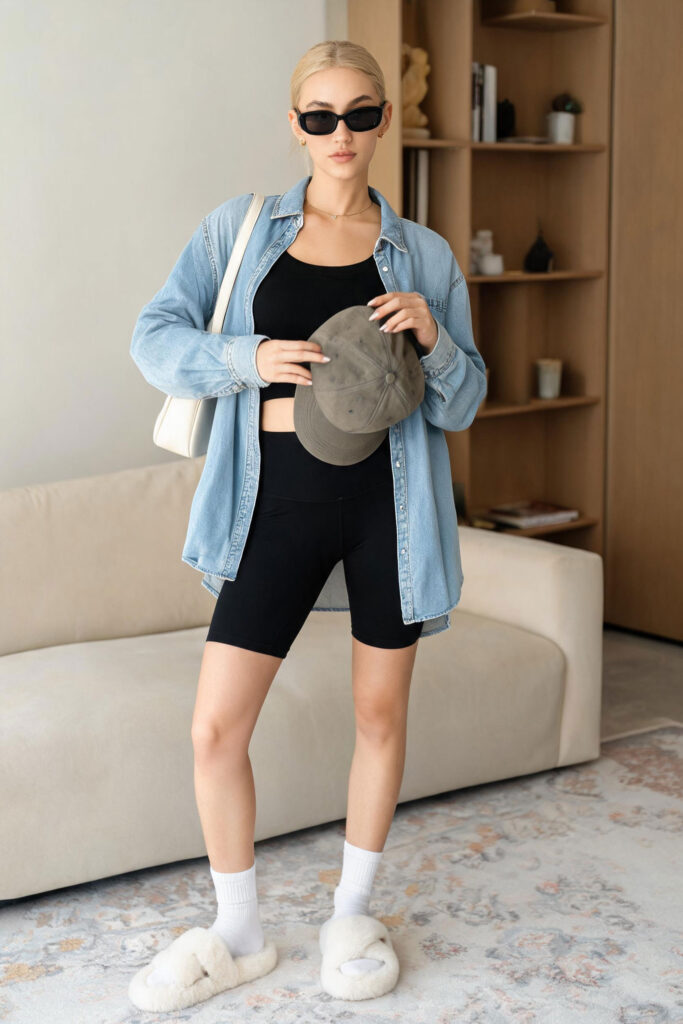
A plain tee, simple shorts, and reliable sneakers are usually enough.
And when you stop noticing what you’re wearing, that’s usually when it’s working.